
GE PETtrace Cyclotron Maintenance & Technical Service
GE PETtrace Maintenance Solutions
Keeping a GE PETtrace reliable is not about chasing breakdowns, it’s about protecting throughput, beam stability, and daily production confidence. Our maintenance and technical service program is structured to reduce unplanned downtime, stabilize operating parameters, and extend the life of critical subsystems (ion source, RF, vacuum, cooling, targets, interlocks).
We execute every service with a safety-first, documentation-driven methodology: controlled shutdown/restart, calibrated verification, traceable records, and risk-based recommendations. The result is predictable operation, cleaner runs, and faster recovery when issues appear.
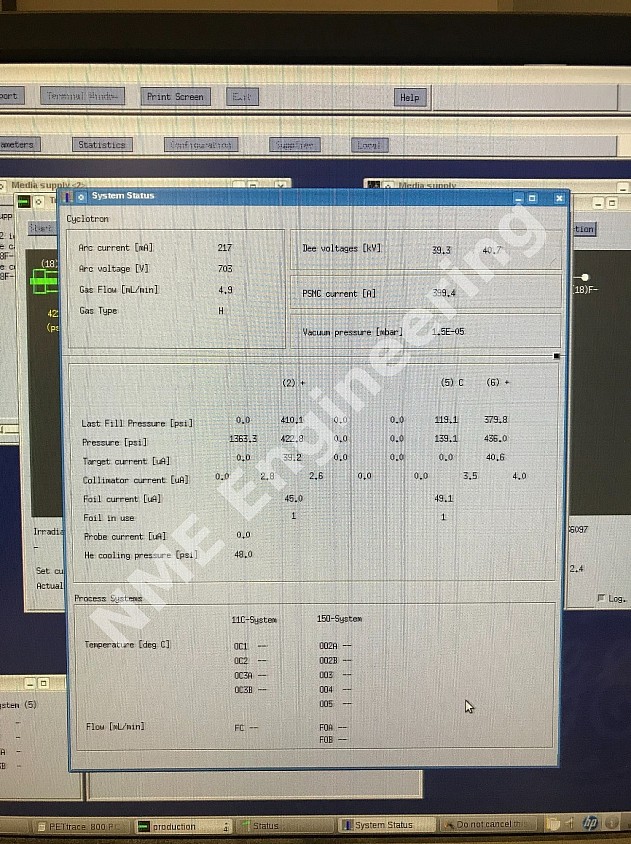
Software Control Screen
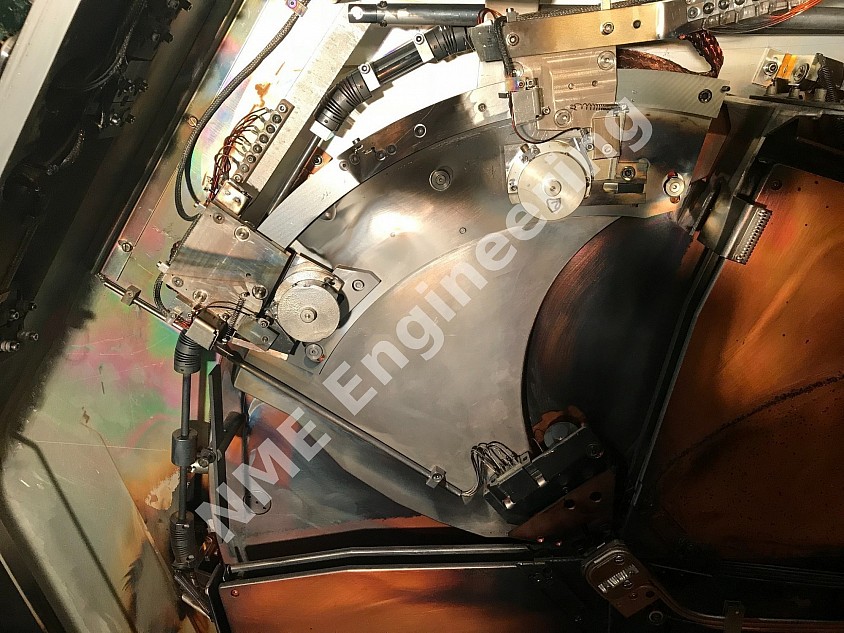
Extraction System Checks
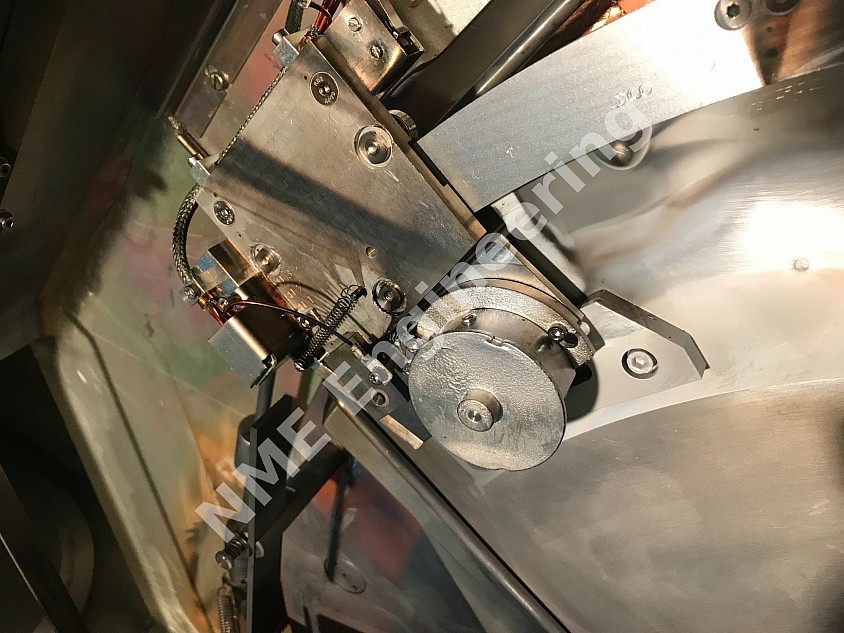
Carrier Checks
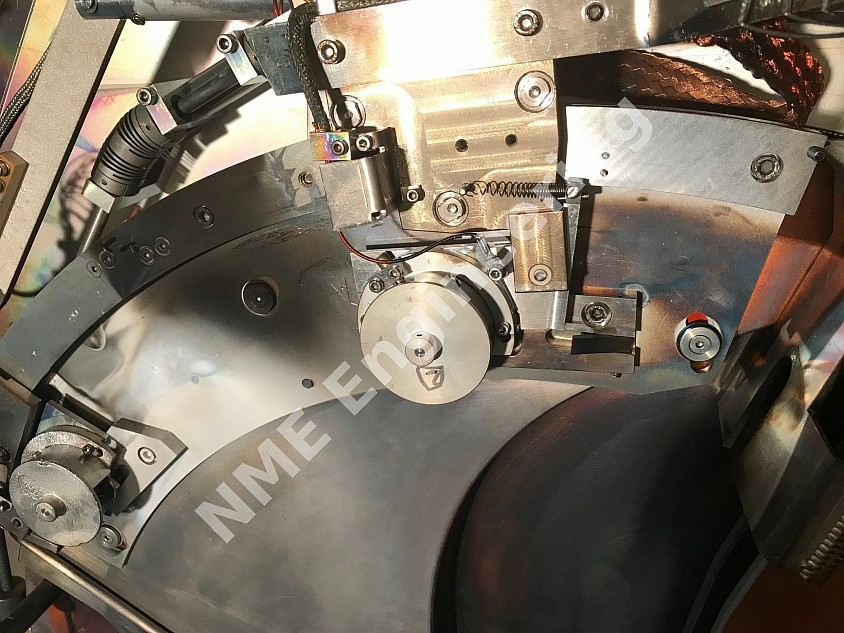
Carrier Maintenance
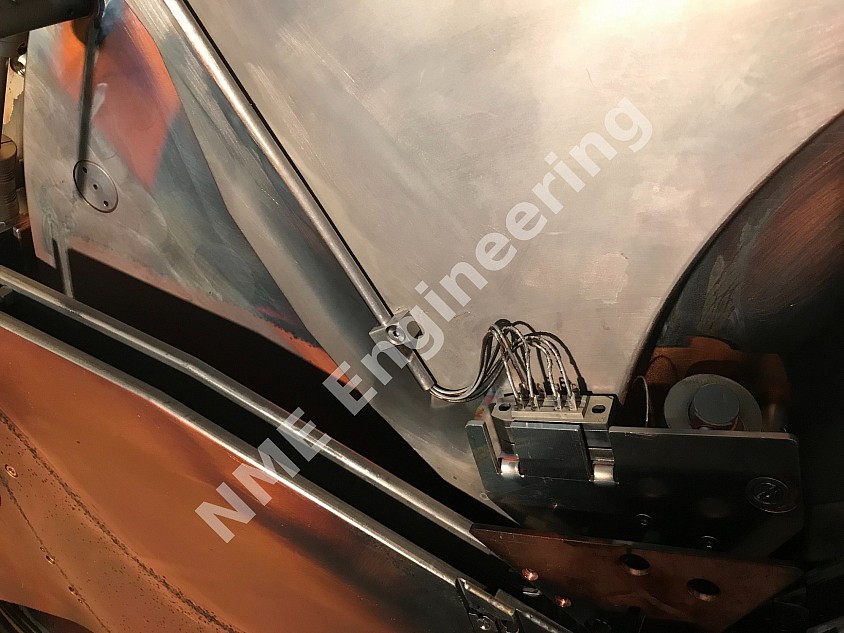
Flip In Probe Checks
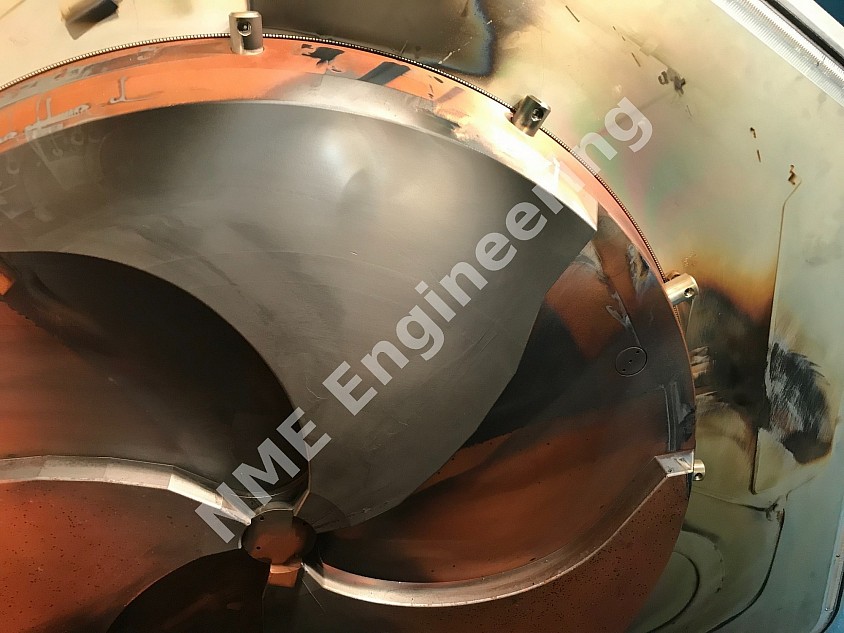
Vacuum Tank Hill and Valleys
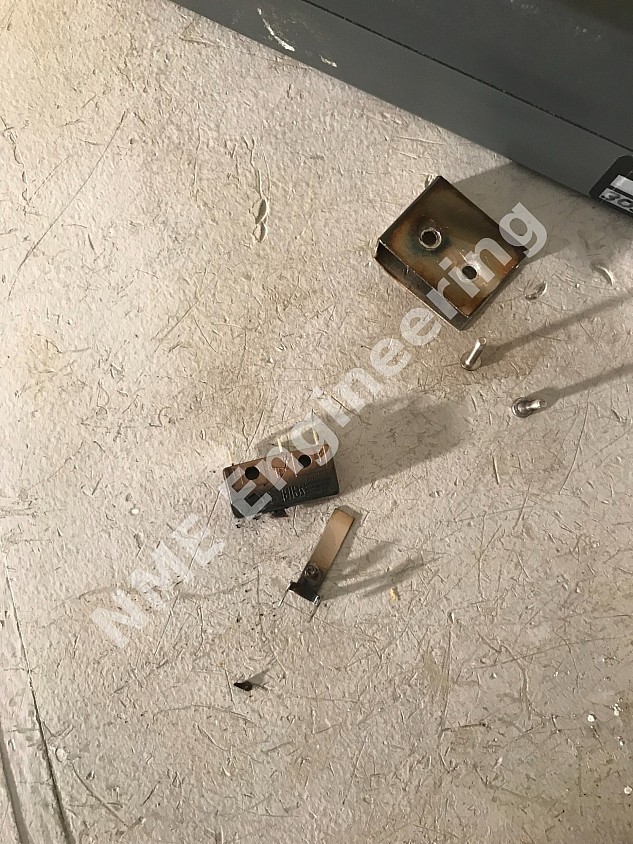
Broken Parts During Service
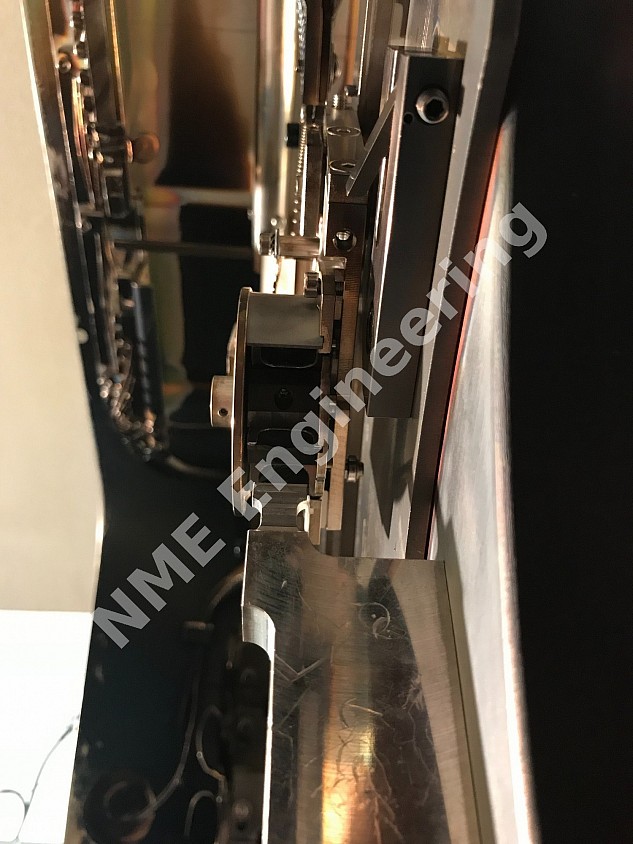
Carrier Checks
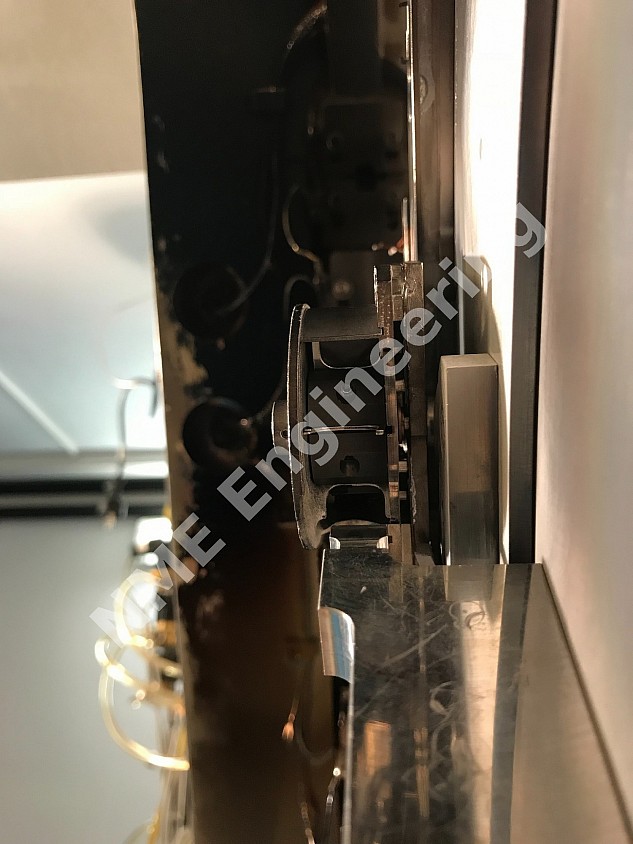
Extractor Foil Change Controls
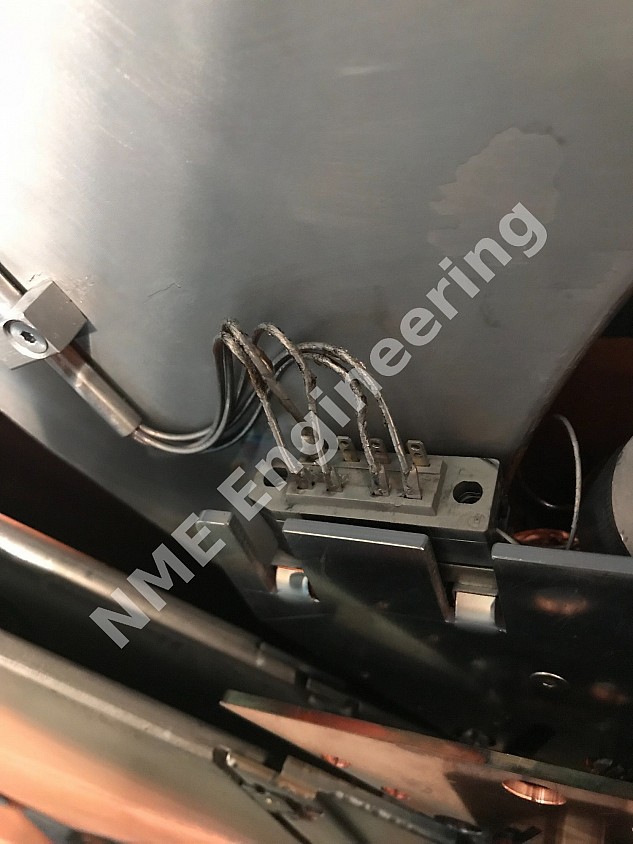
Flip In Probe
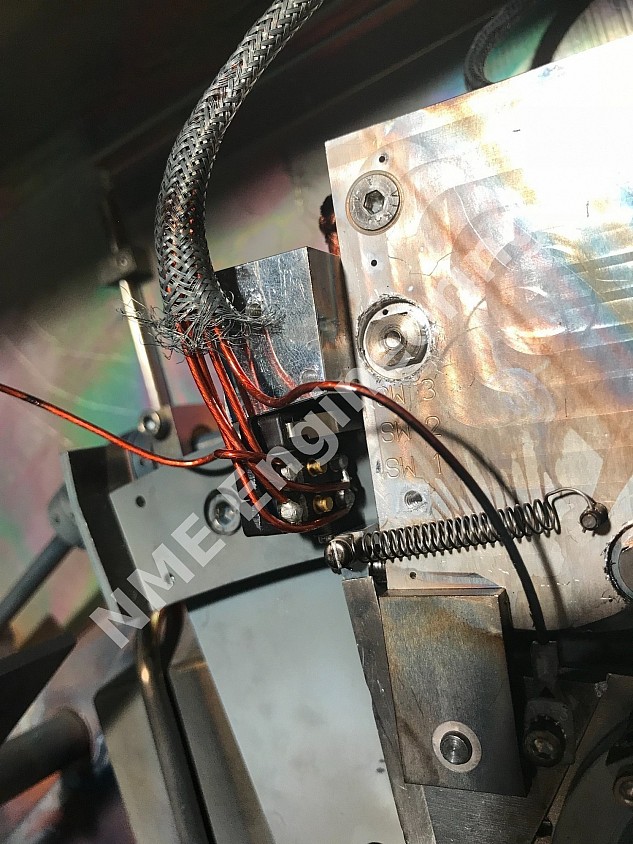
Carrier Spring Checks
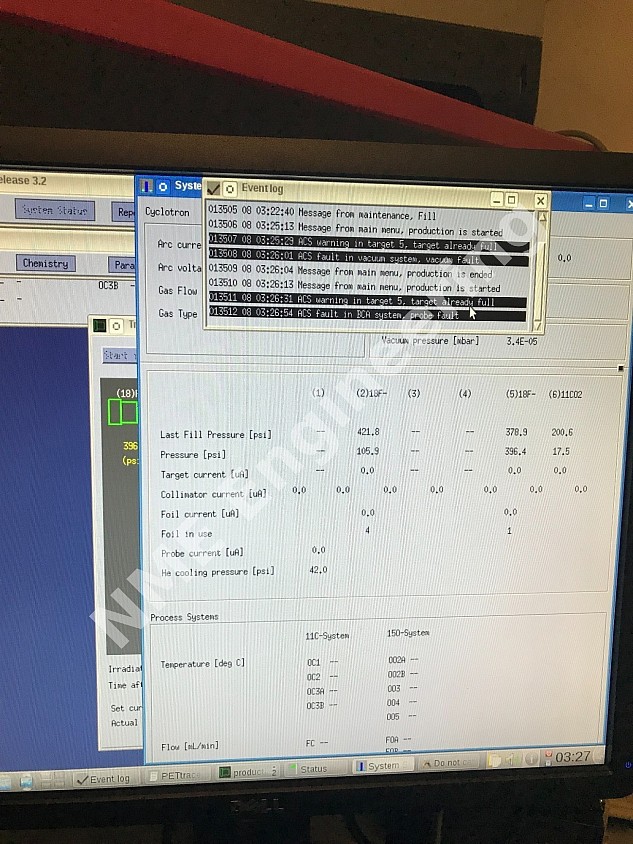
Software Alarm Signals
Maintenance Stages → Service Workflow
1) Service Planning & Readiness
- Define scope (preventive maintenance, troubleshooting, performance stability).
- Confirm production window, access requirements, and spares readiness.
- Review recent alarms, logs, and operating trends (where available).
2) Safety Gate (LOTO & Radiation Awareness)
- Lock-Out/Tag-Out (LOTO) implementation and verification.
- Radiation safety coordination, area controls, and safe access rules.
- Utility isolation plan (power, cooling, gases) according to site configuration.
3) Controlled Shutdown & Baseline Snapshot
- Controlled shutdown sequence and safe-state confirmation.
- Record baseline indicators (key parameters, recent trip patterns, abnormal trends).
4) Visual Inspection & Risk Screening
- Mechanical integrity check (mounts, fasteners, vibration indicators).
- Electrical inspection (connectors, wiring condition, cabinet cleanliness).
- Early warning signs review (heat marks, corrosion, leaks, contamination).
5) Vacuum System Health Check
- Pump performance and vacuum stability review.
- Leak-risk points assessment (seals, valves, fittings).
- Vacuum behavior verification for stable start-up and beam readiness.
6) Ion Source & Injection Subsystem Service
- Ion source condition assessment and maintenance actions as needed.
- Injection stability checks to reduce tuning time and improve repeatability.
- Consumables/wear parts review with replacement recommendations.
7) RF System Verification
- RF functionality checks and thermal condition review.
- Cooling effectiveness validation and interlock behavior confirmation.
- Preventive actions to reduce RF trips and overstress.
8) Magnet & Power Supply Stability Checks
- Magnet subsystem operational verification.
- Power supply stability review (connections, thermal behavior, consistency).
- Compare readings vs baseline and historical patterns (if available).
9) Cooling & Utilities Integrity
- Cooling loop checks (flow/pressure/temperature stability).
- Heat exchanger / chiller interface verification (site-dependent).
- Compressed air and utility quality checks where applicable.
10) Target System & Beamline Checks (Site Configuration Dependent)
- Target interface inspection (cooling, sealing, leak-risk points).
- Beamline-related functional checks relevant to your PETtrace setup.
- Actions focused on yield protection and contamination risk reduction.
11) Safety Interlocks, Emergency Systems & Warning Signals
- Interlock chain verification (critical permissives and safety logic).
- Emergency stop, indicators, and safety signaling function checks.
12) Restart, Leak Check & Operational Validation
- Controlled restart and stabilization.
- Water/vacuum leak checks and final functional verification.
- Beam-on readiness and stability checks (within allowed service scope).
13) Service Report & Action Plan
- Documented report of executed steps, findings, and measurements.
- Prioritized recommendations (Immediate / Next Planned Stop / Long Term).
- Optional critical spares list to reduce lead-time risk and protect uptime.
Optional High-Impact Add-Ons
- Production Stability Review: trend-based actions to reduce tuning time and trips.
- Critical Spares Strategy: optimize consumables and long lead-time items.
- Remote Pre-Check: log/alarm review before visit to shorten downtime.