IBA Cyclone 18/9 Cyclotron Maintenance & Technical Service
IBA Cyclone 18/9 Maintenance Solutions
Keeping an IBA Cyclone 18/9 cyclotron productive is not only about repairing components after a failure; it is about maintaining beam stability, vacuum integrity, target reliability, and production confidence before downtime occurs. Our maintenance and technical service approach is designed to support consistent isotope production, reduce unplanned interruptions, and protect the long-term operational performance of your cyclotron.
NME Engineering delivers IBA Cyclone 18/9 cyclotron service with a safety-first and engineering-driven methodology: controlled shutdown and restart, ion source and stripper system checks, RF and magnet performance verification, vacuum and diffusion pump condition assessment, cooling circuit inspection, target station evaluation, calibrated measurements, and traceable service reporting. The result is clear: your IBA Cyclone 18/9 cyclotron remains stable, predictable, compliant, and ready for routine production.
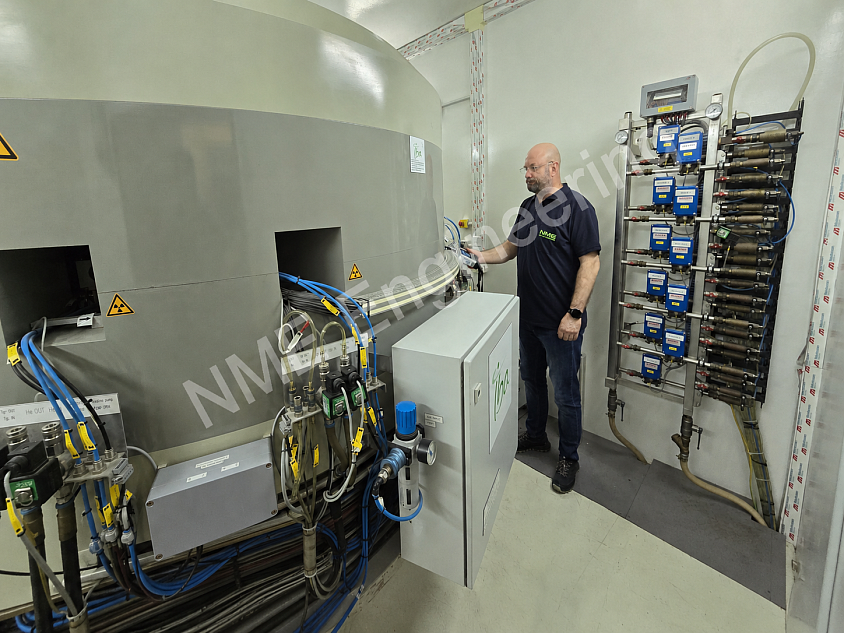
01 — Cyclotron Area Radiation Survey
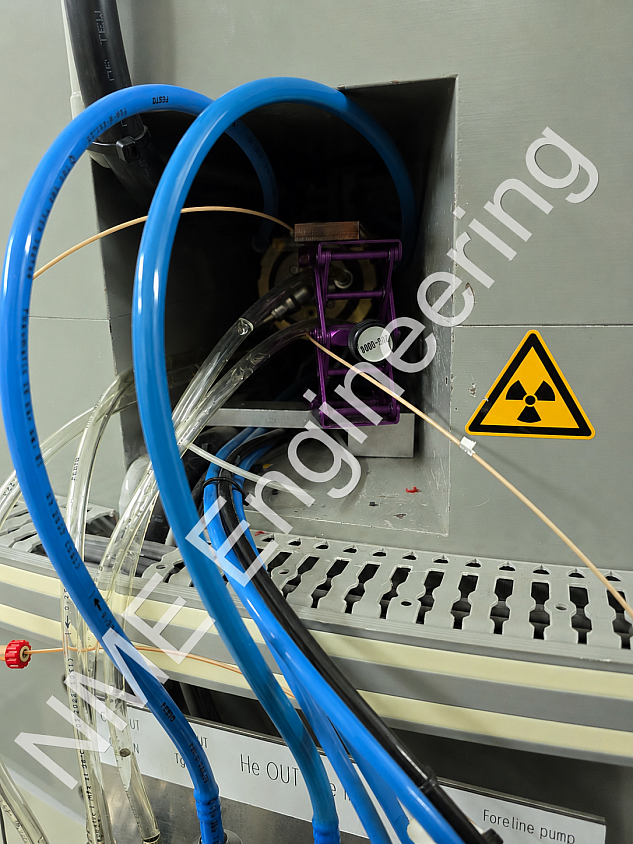
02 — Targetry Connection Check
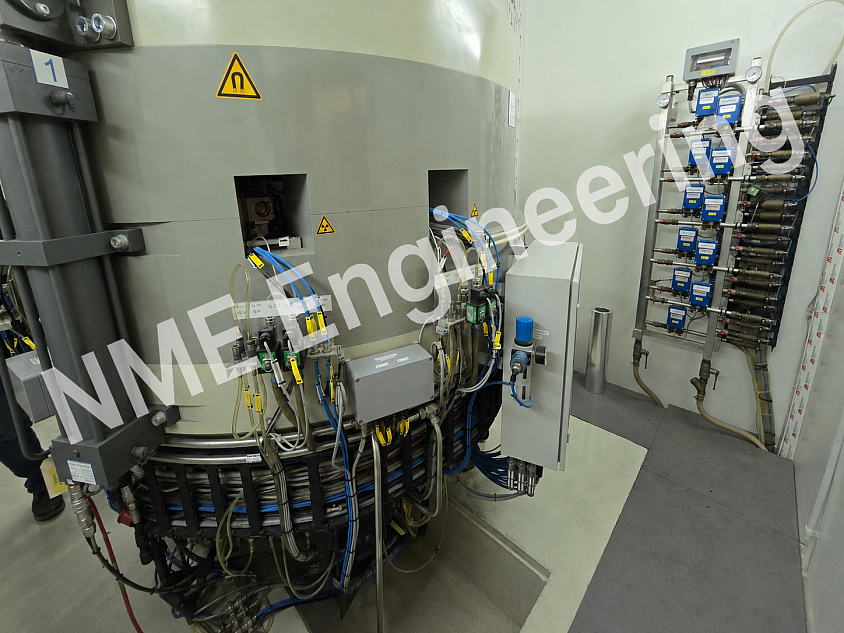
03 — Cyclotron System Visual Inspection
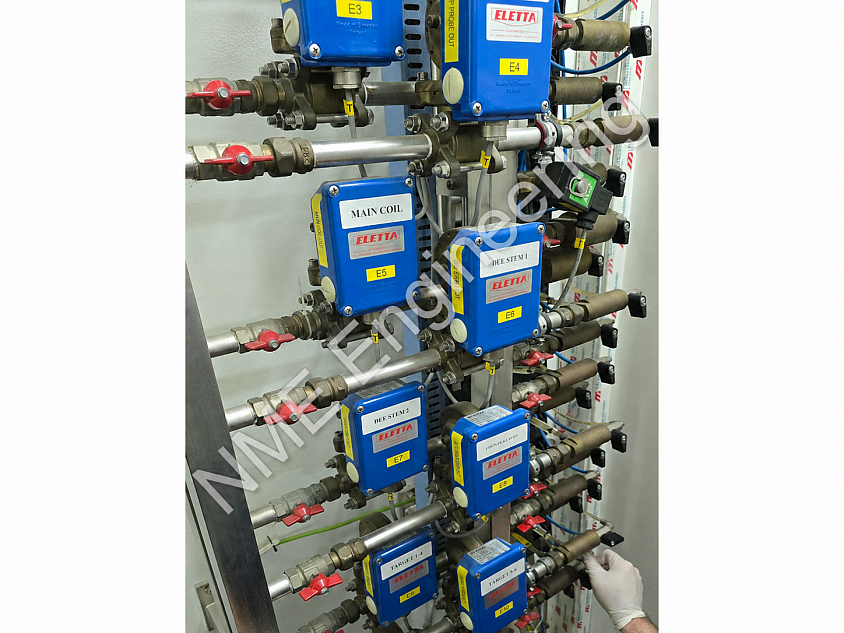
04 — Water Cooling System Flow Switch Inspection
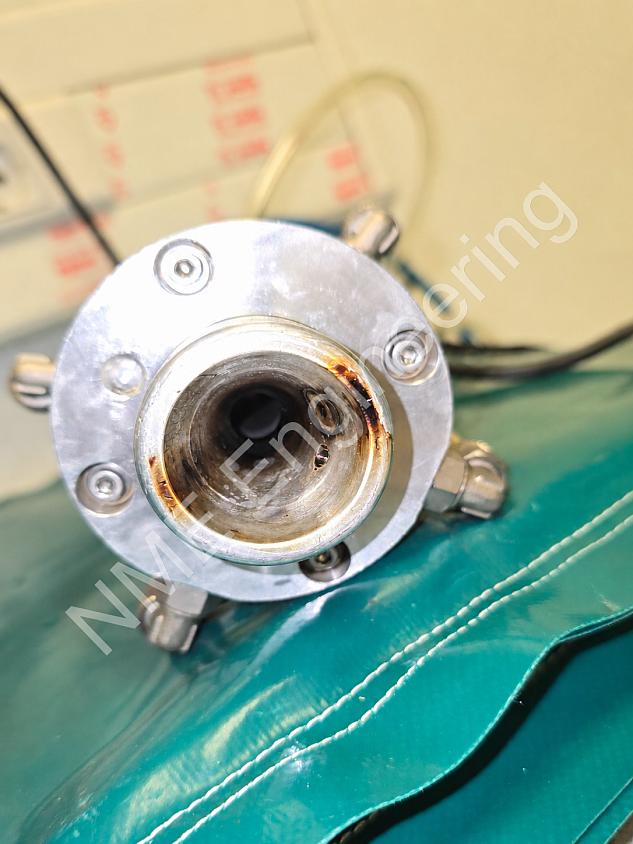
05 — Liquid Target Collimator Inspection
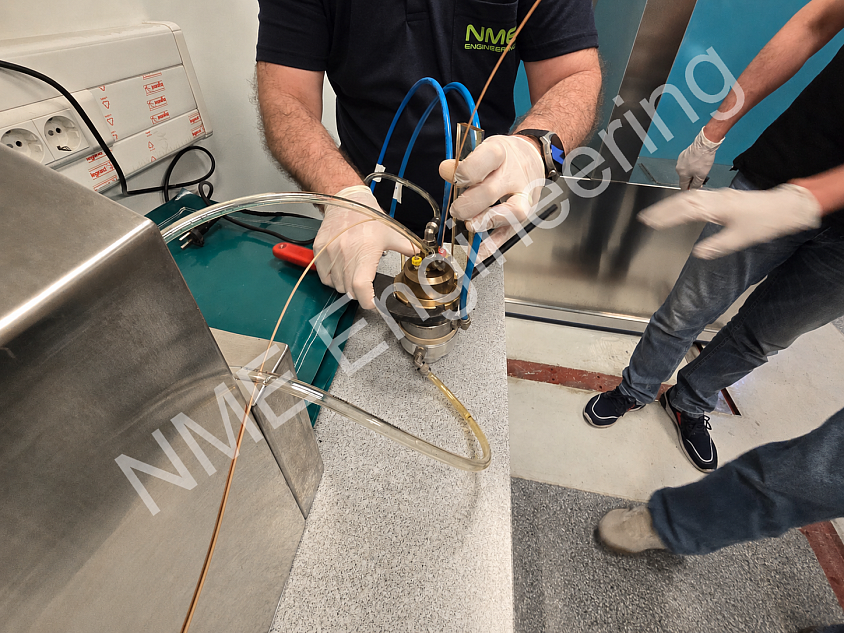
06 — Liquid Target Service
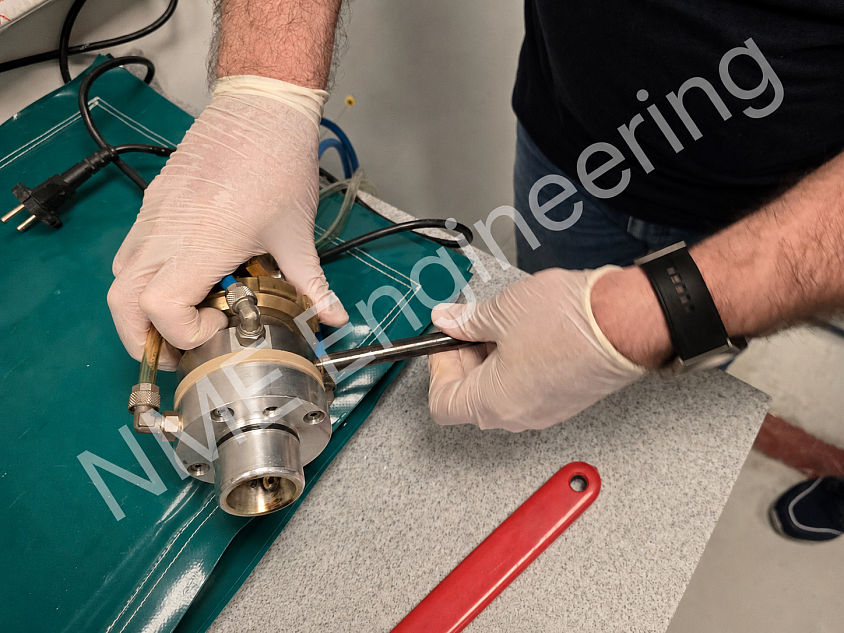
07 — Liquid Target Disassembly
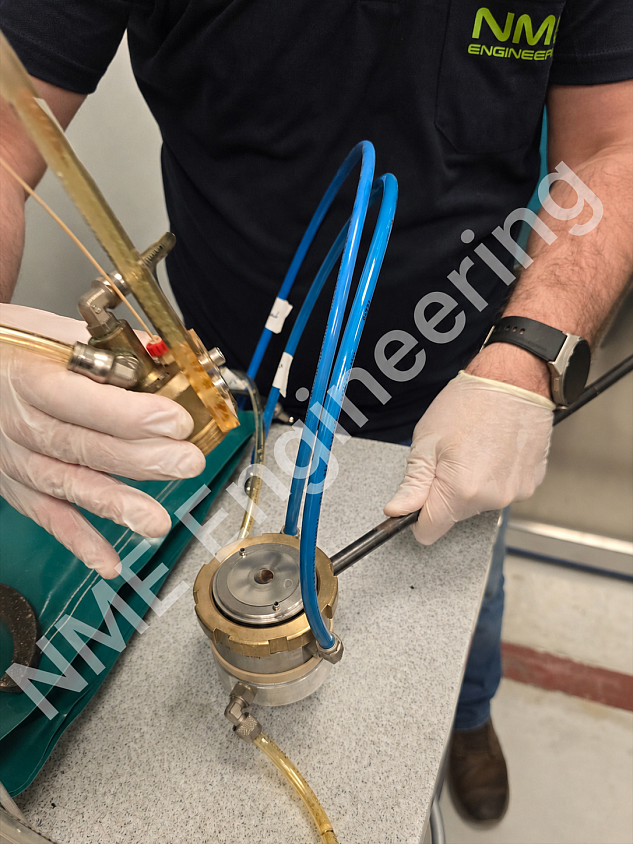
08 — Liquid Target Disassembly
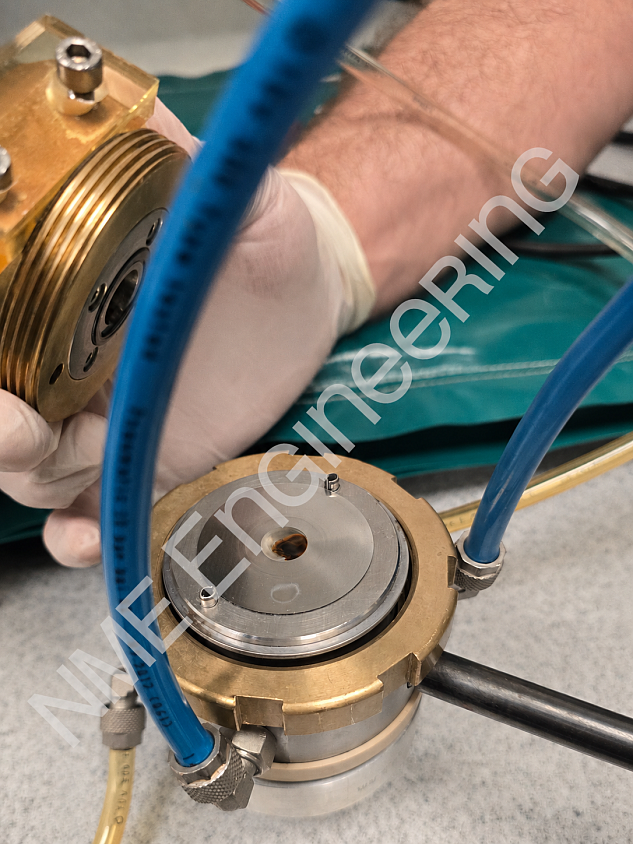
09 — Liquid Target Disassembly
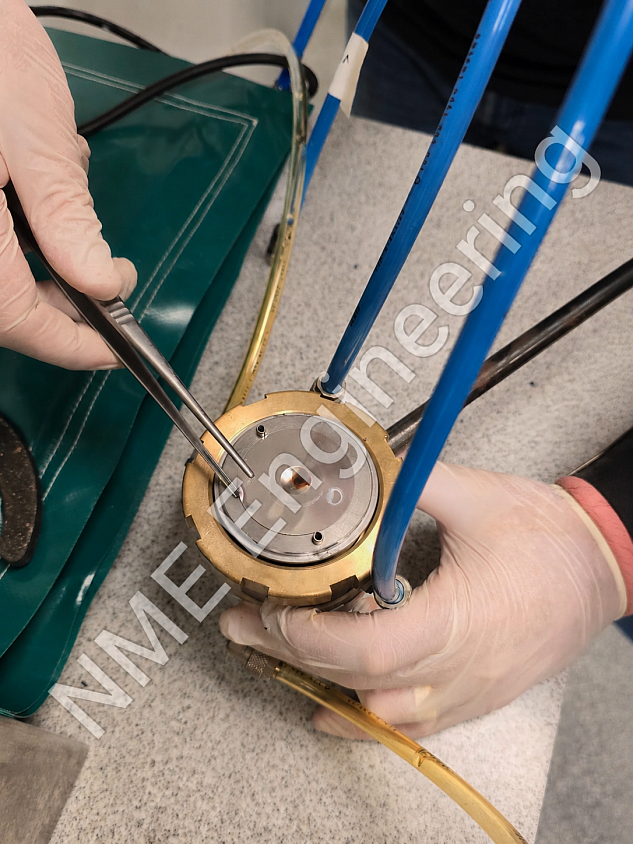
10 — Liquid Target Window Foil Removal
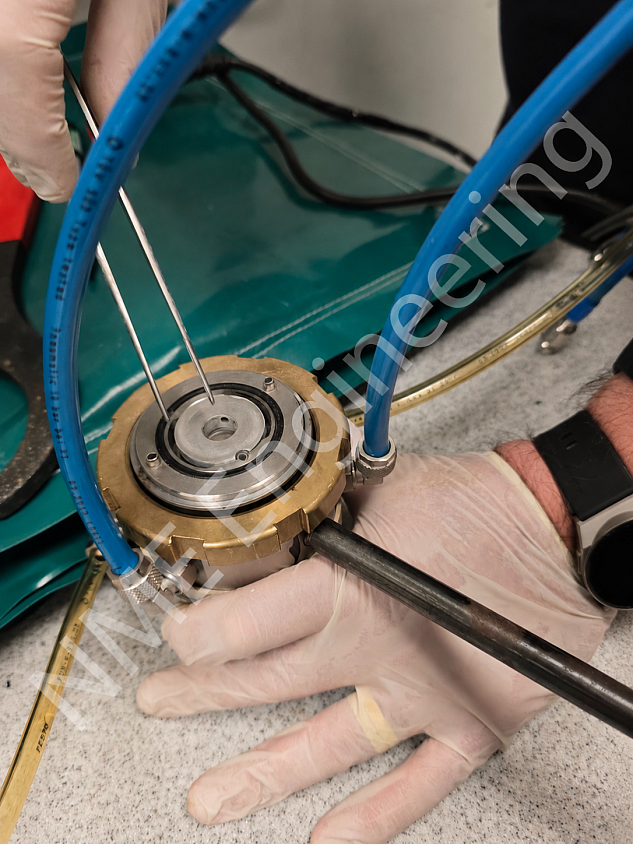
11 — Liquid Target Window Spacer Disassembly
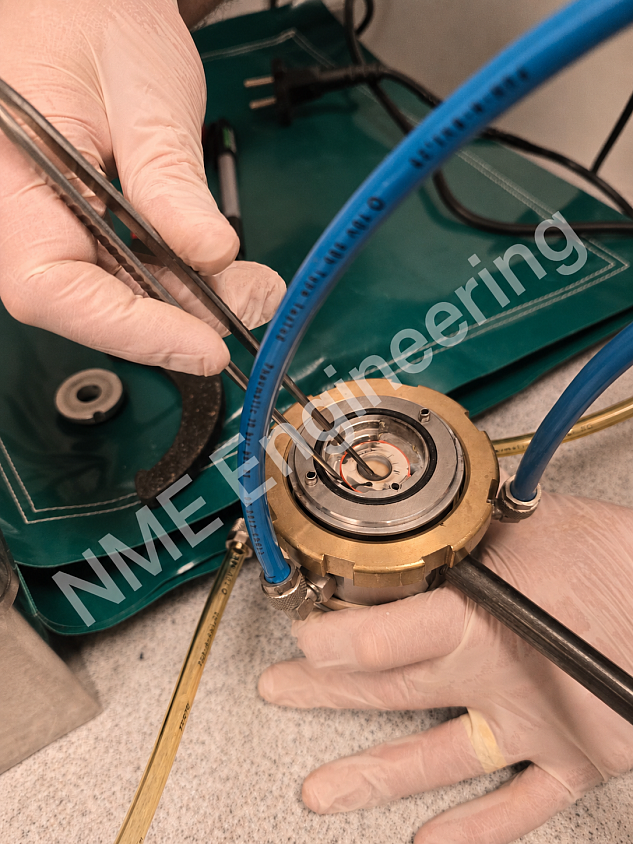
12 — Mounting Liquid Target Window Foils
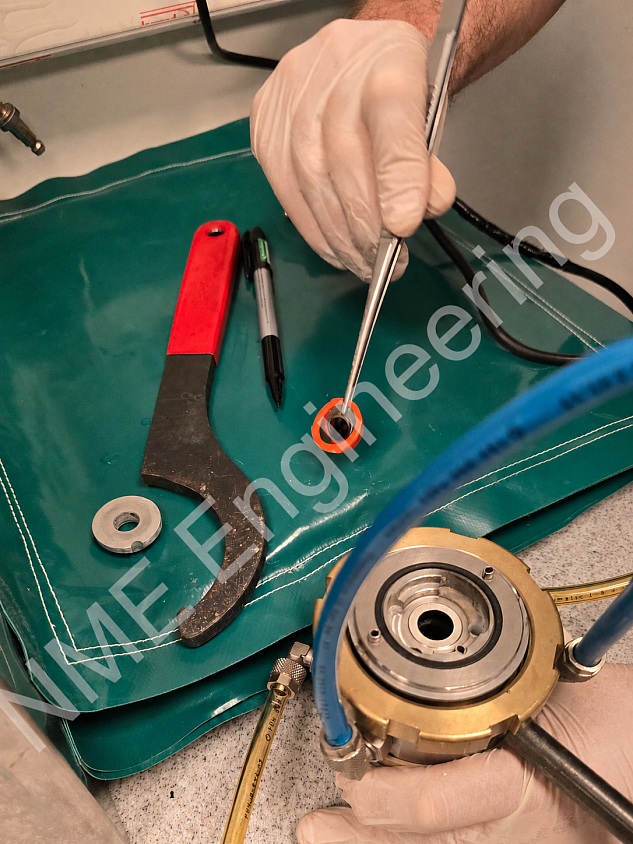
13 — Liquid Target O-ring Removal
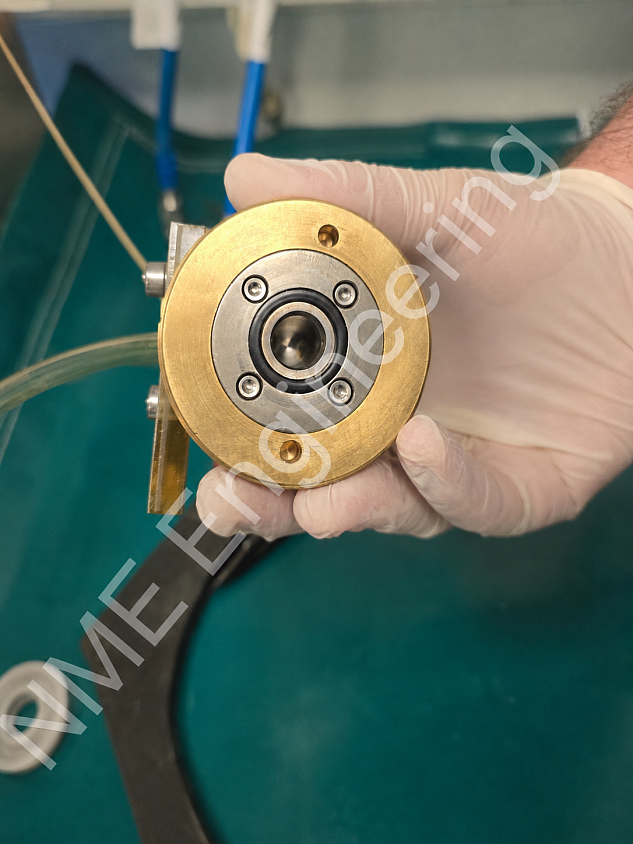
14 — Liquid Target Window Insert Inspection
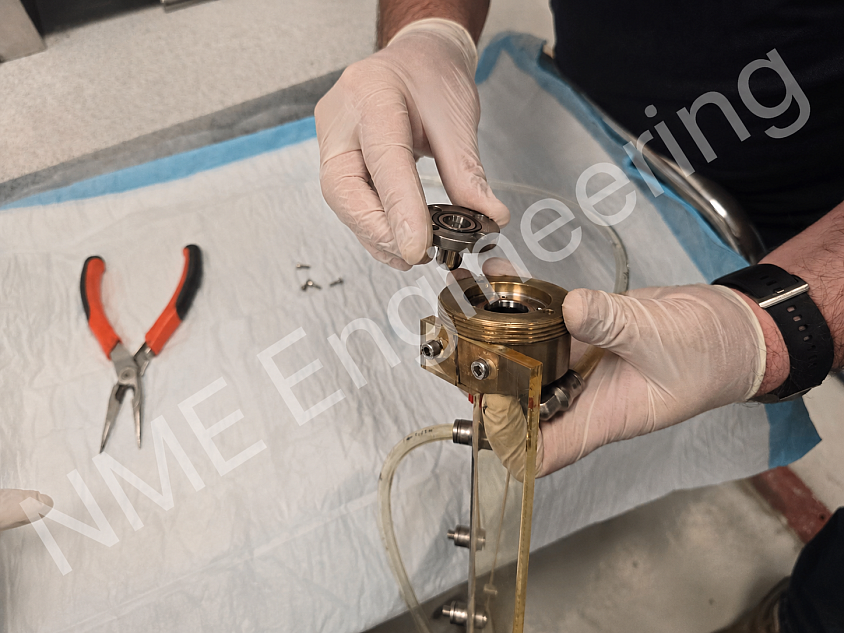
15 — Liquid Target Insert Removal
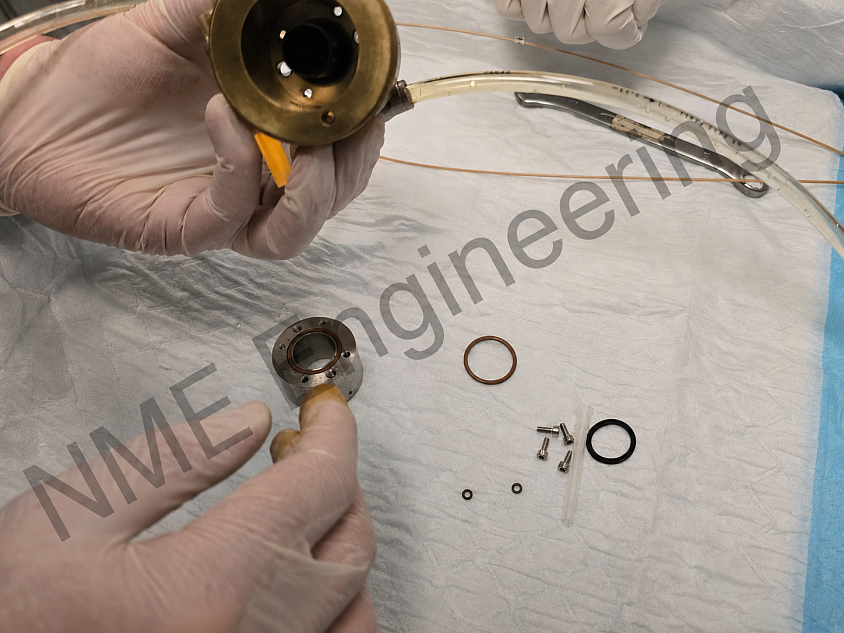
16 — Liquid Target Insert Cooling Seal Inspection
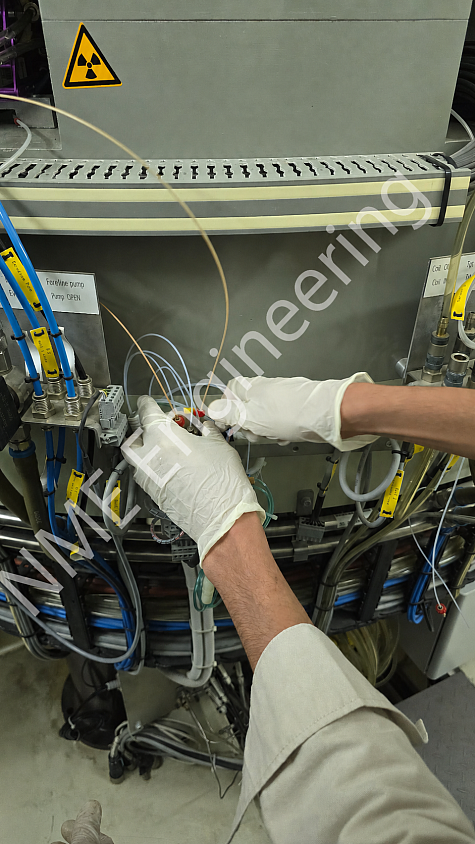
17 — Rheodyn Valve Connection Check
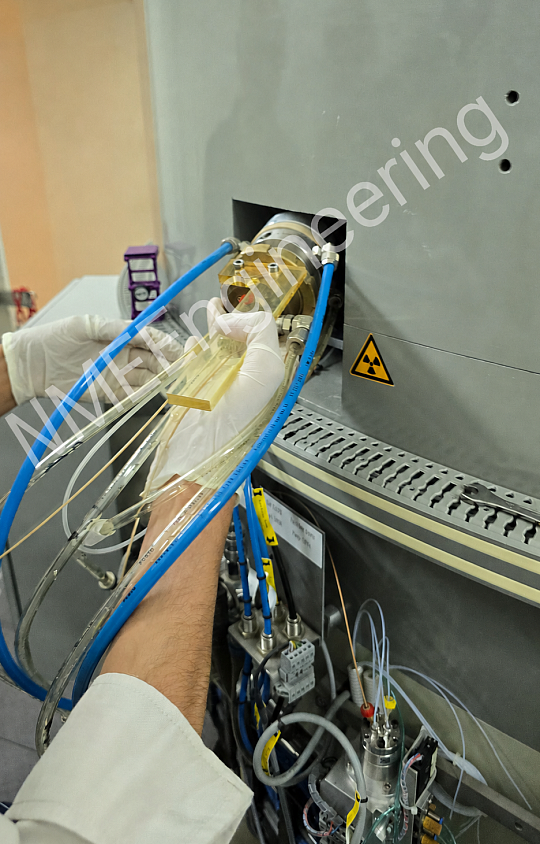
18 — Liquid Target Removal From The Vacuum Chamber
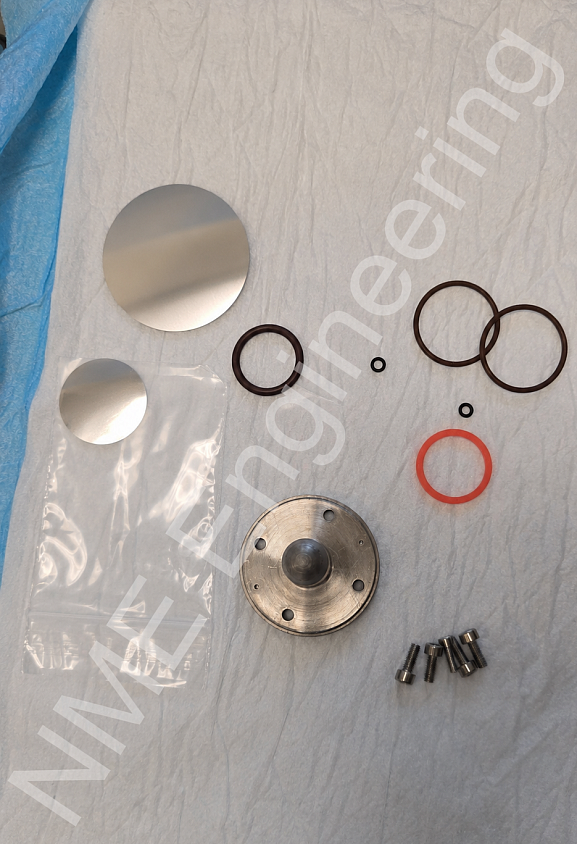
19 — Liquid Target Window Replacement Components
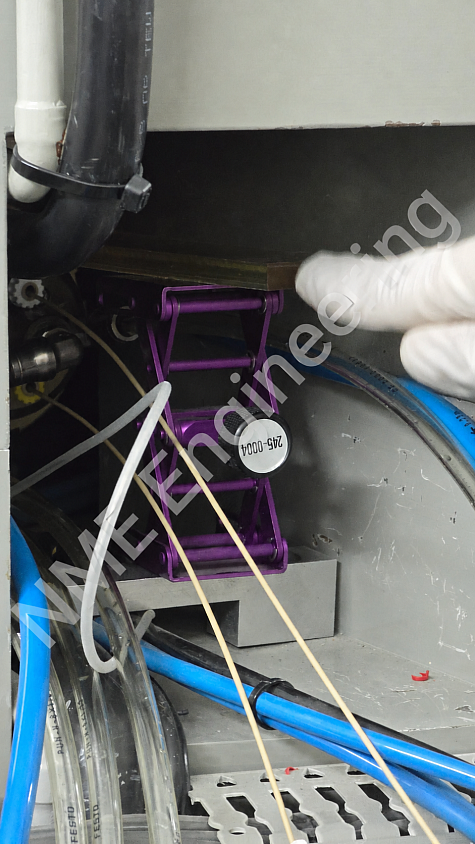
20 — Liquid Target Positioning Support Installation
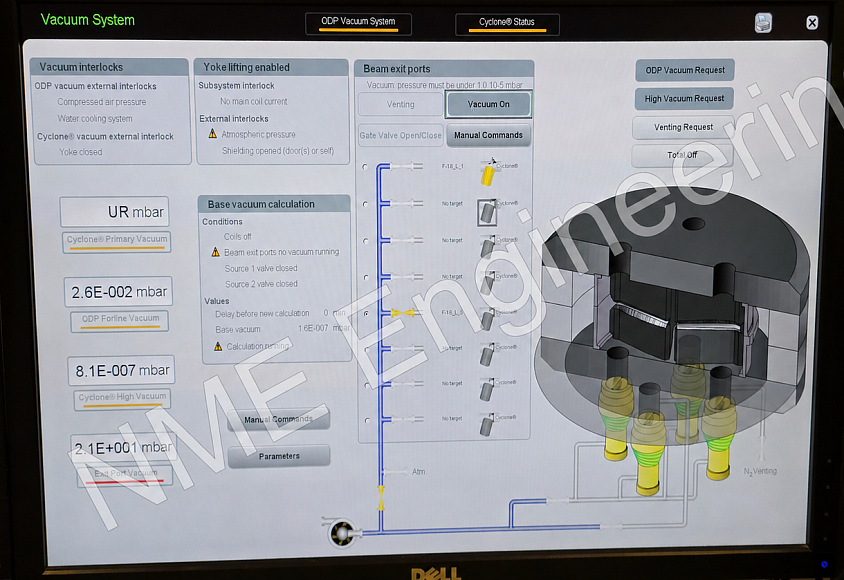
21 — Vacuum System Inspection
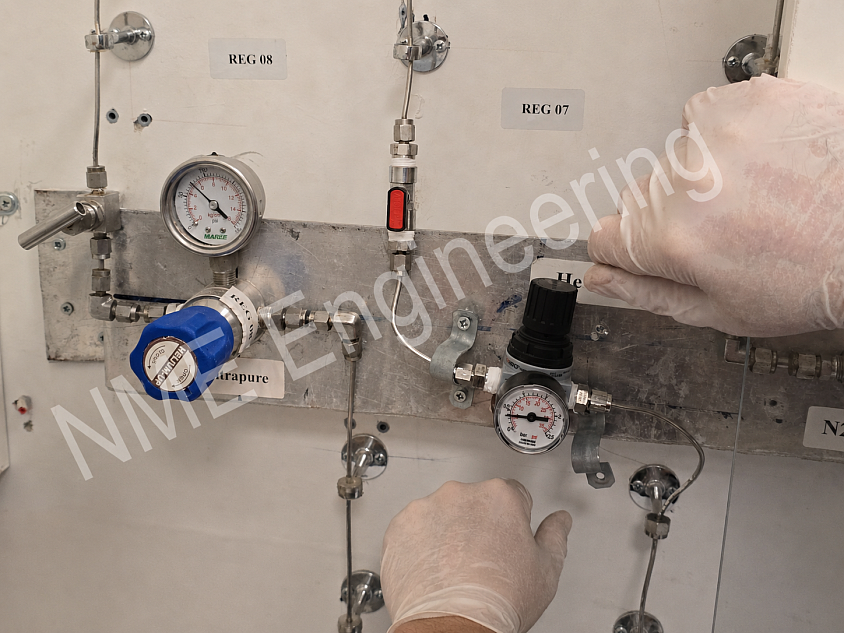
22 — Helium Supply Regulator Inspection
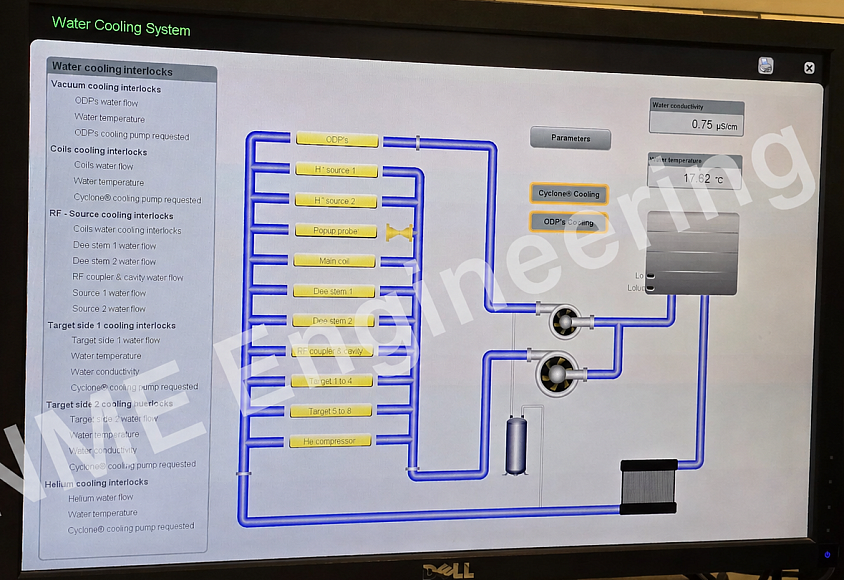
23 — Water Cooling System Flow Switch Inspection
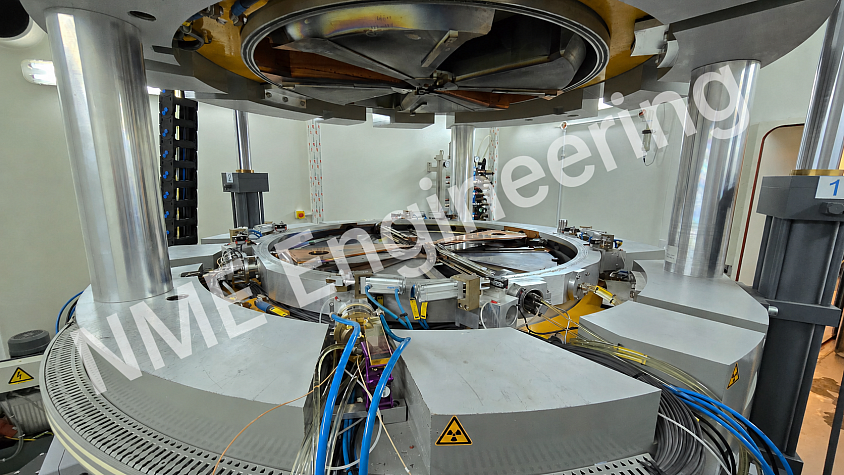
24 — Vacuum Chamber Inspection
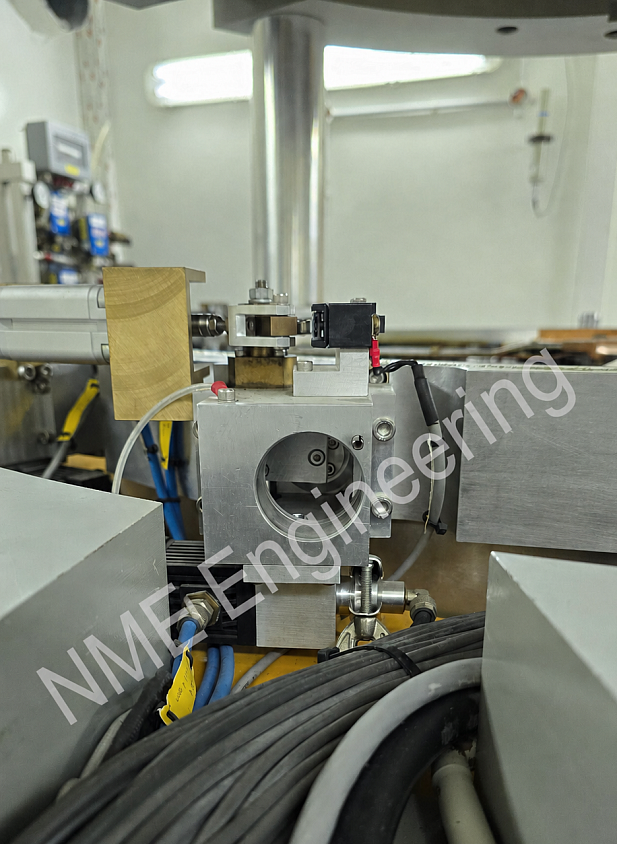
25 — Target Port Inspectıon
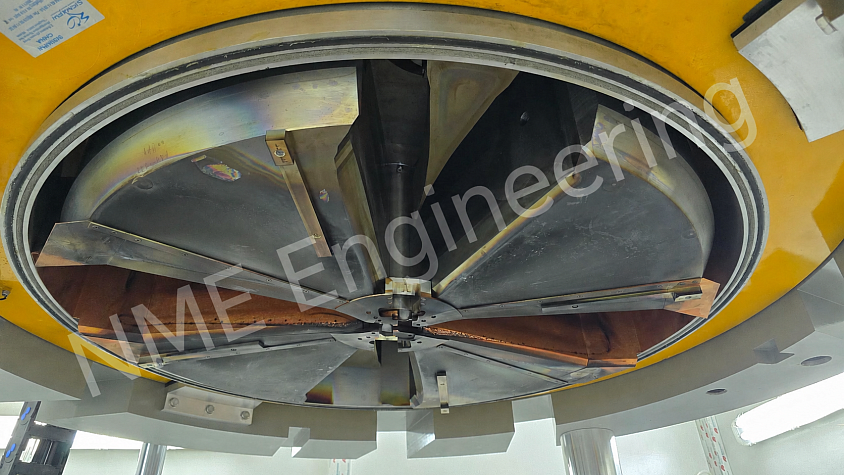
26 — Vacuum Chamber Upper Yoke Inspection
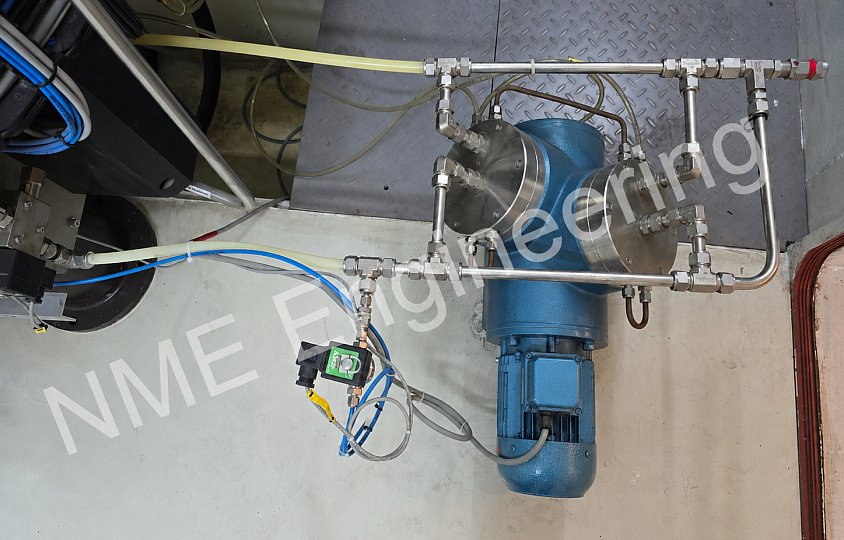
27 — Helium Cooling Compressor Inspection
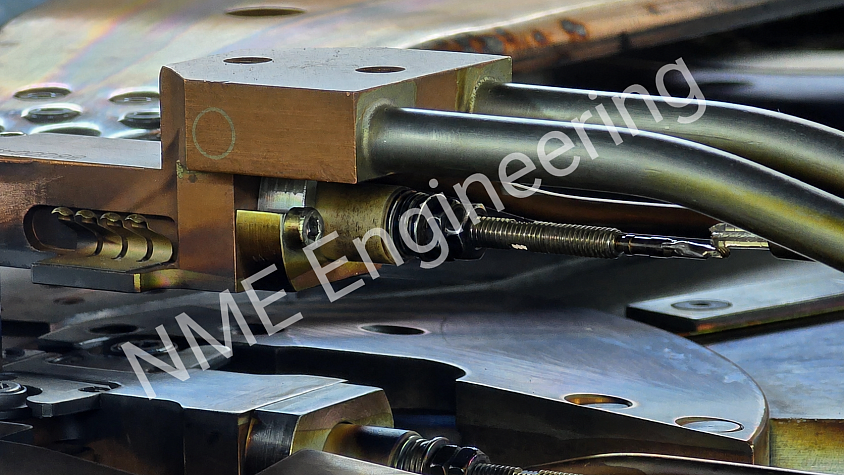
28 — Ion Source Cathode Holder Status Inspection
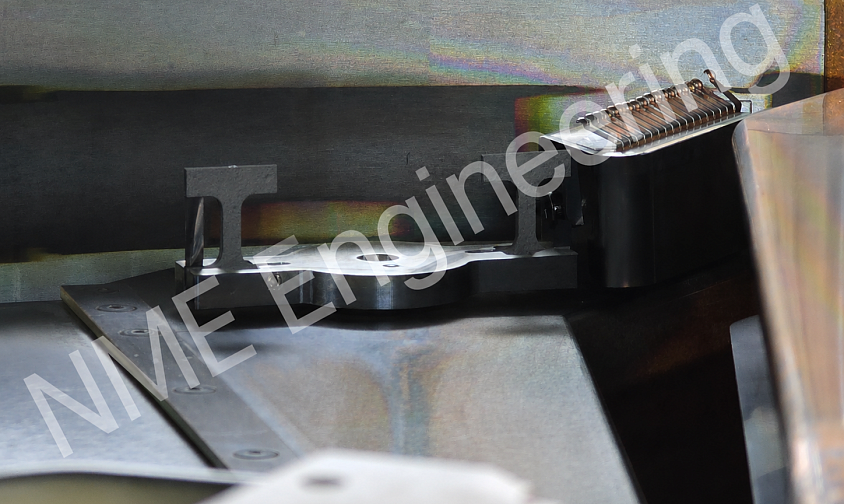
29 — Stripper Foil Inspection
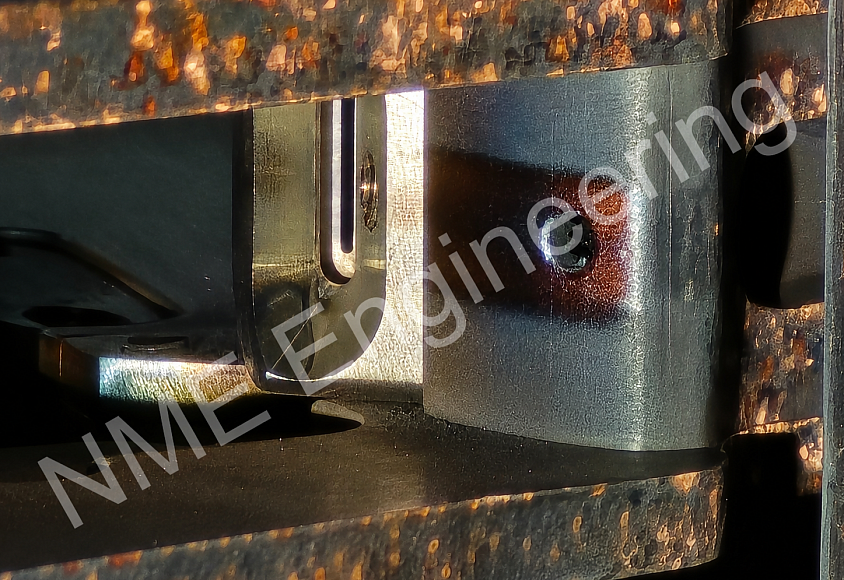
30 — Central Region Puller-Chimney Alignment
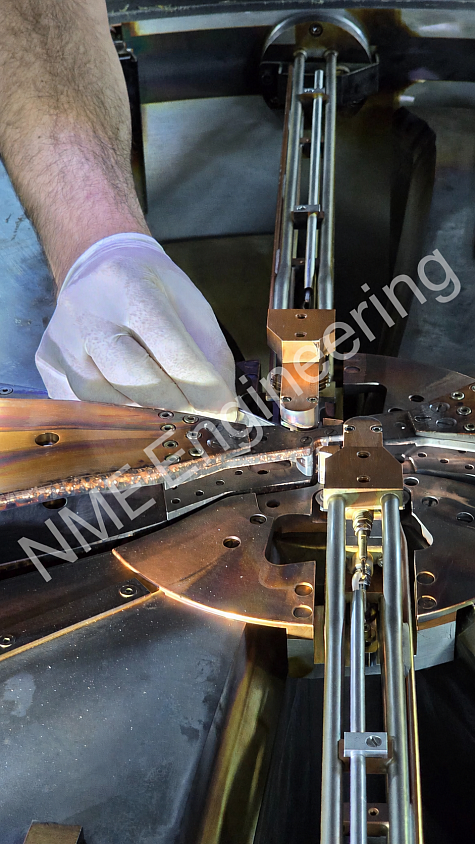
31 — Ion Source Chimney-Puller Gap Adjustment
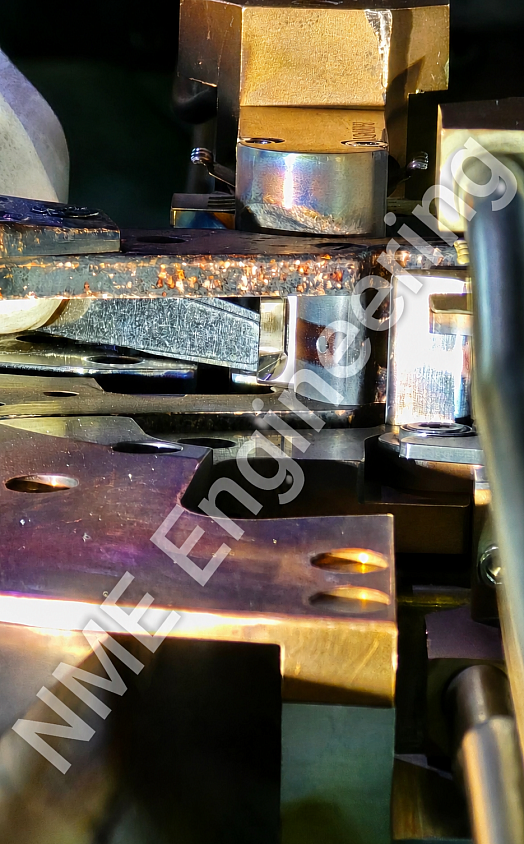
32 — Ion Source Chimney-Puller Gap Adjustment
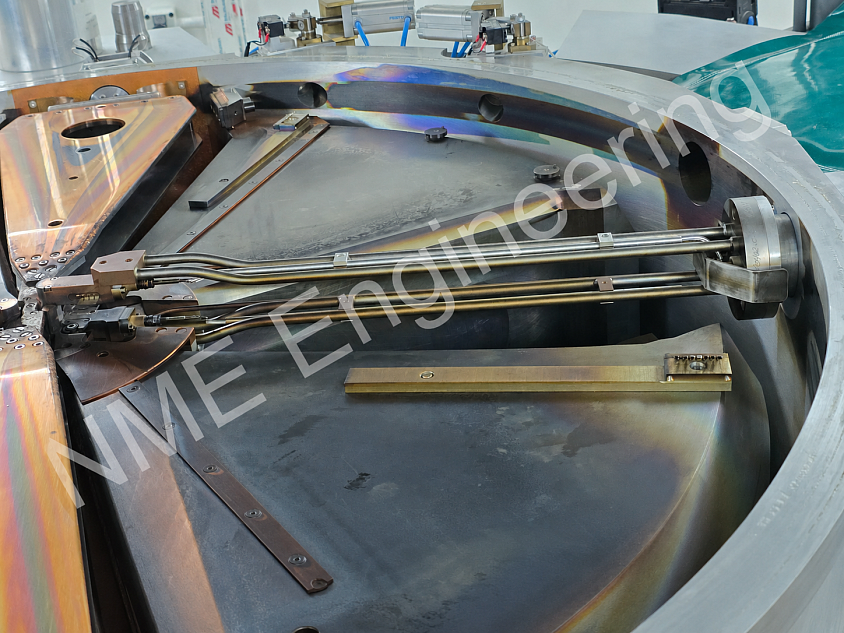
33 — Ion Source Positioning Inspection
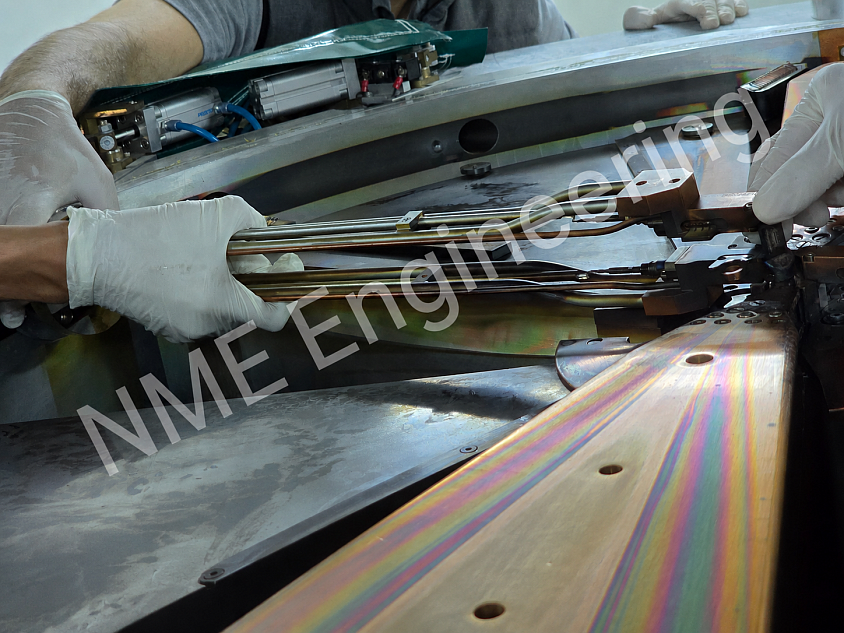
34 — Ion Source Assembly Removal
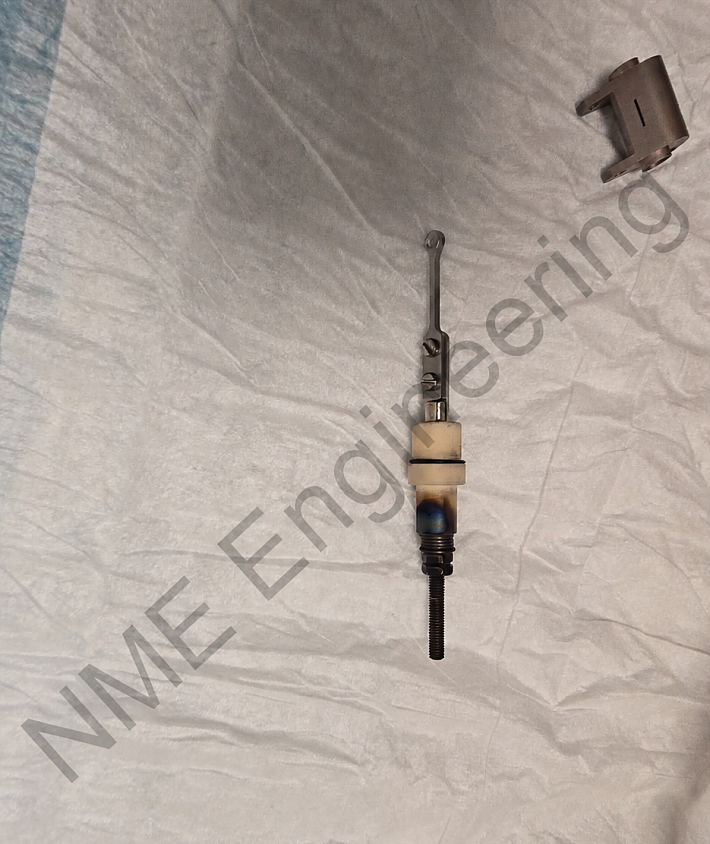
35 — Ion Source Cathode Inspection
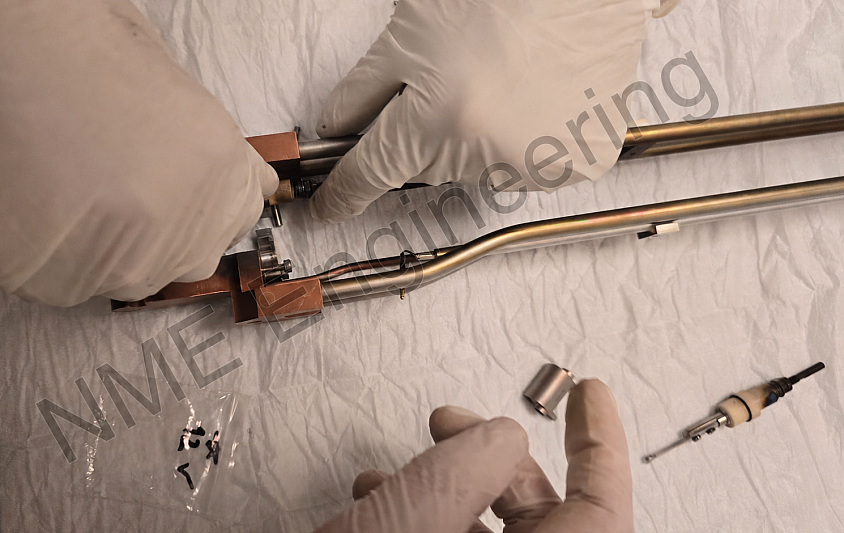
36 — Replacing the Ion Source Cathodes
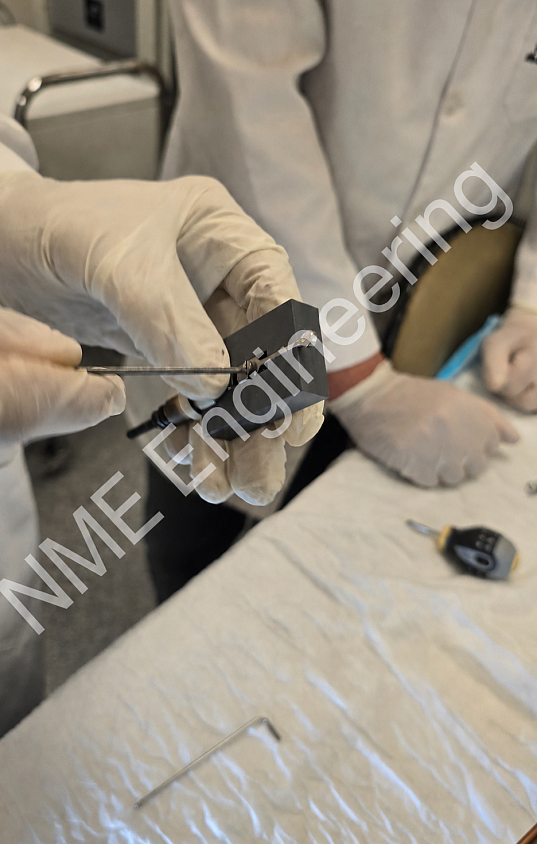
37 — Ion Source Cathode Installation
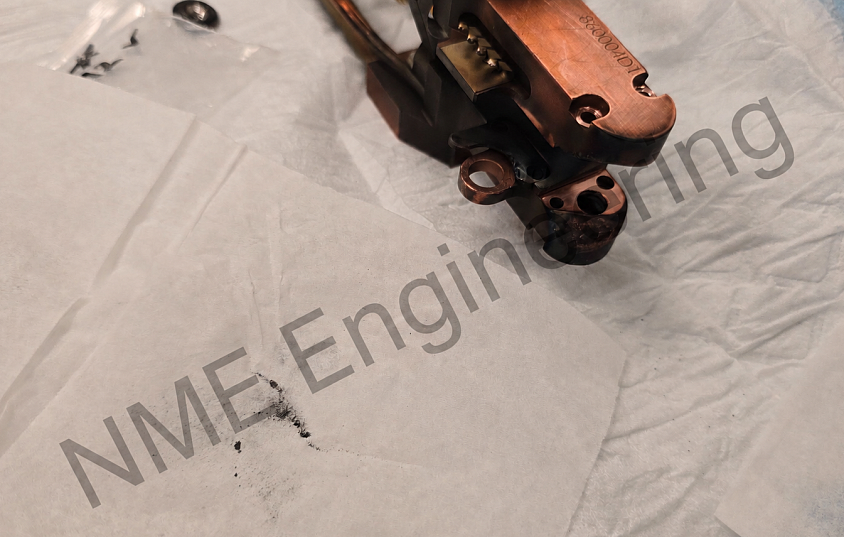
38 — Ion Source Cleaning
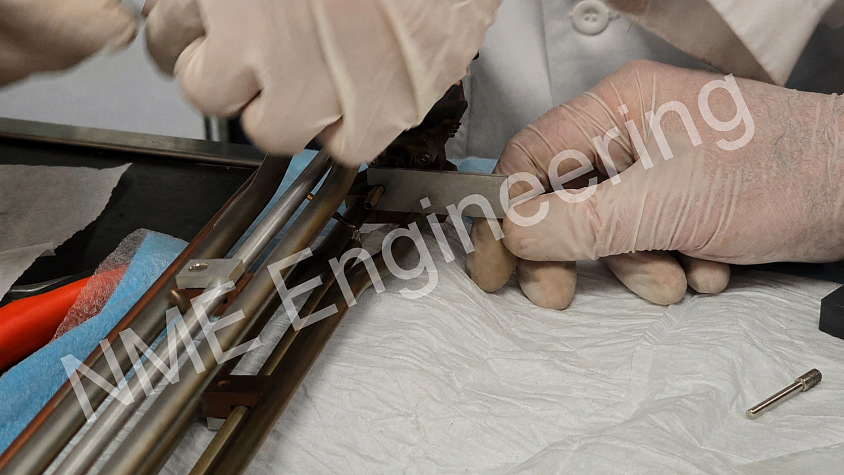
39 — Ion Source Cathode Adjustment
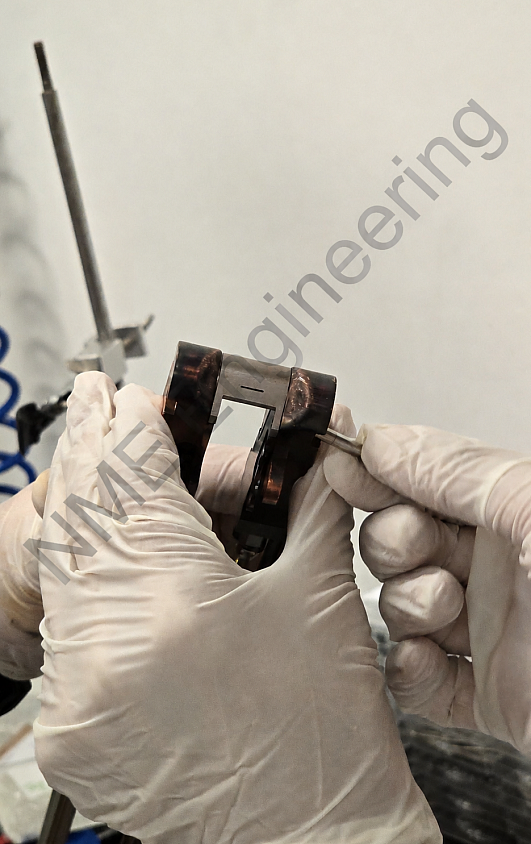
40 — Ion Source Chimney Inspection
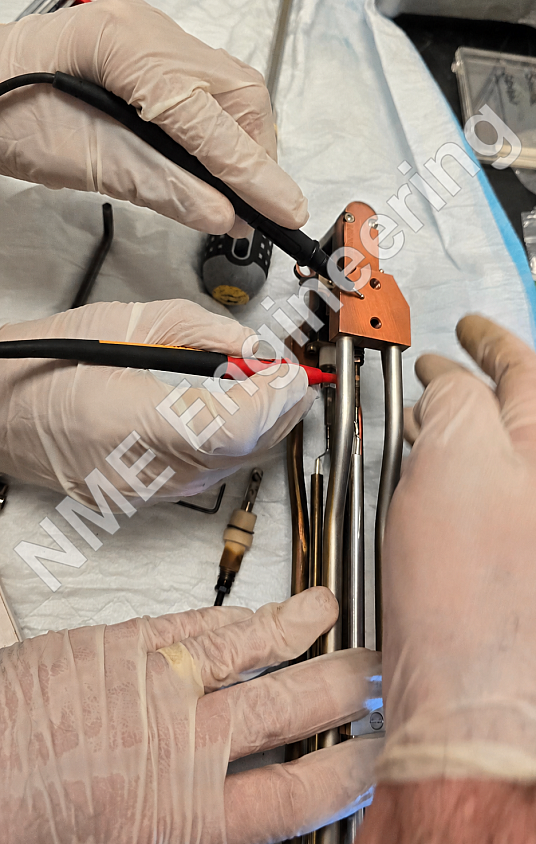
41 — Checking the Ion Source Electrical Connections
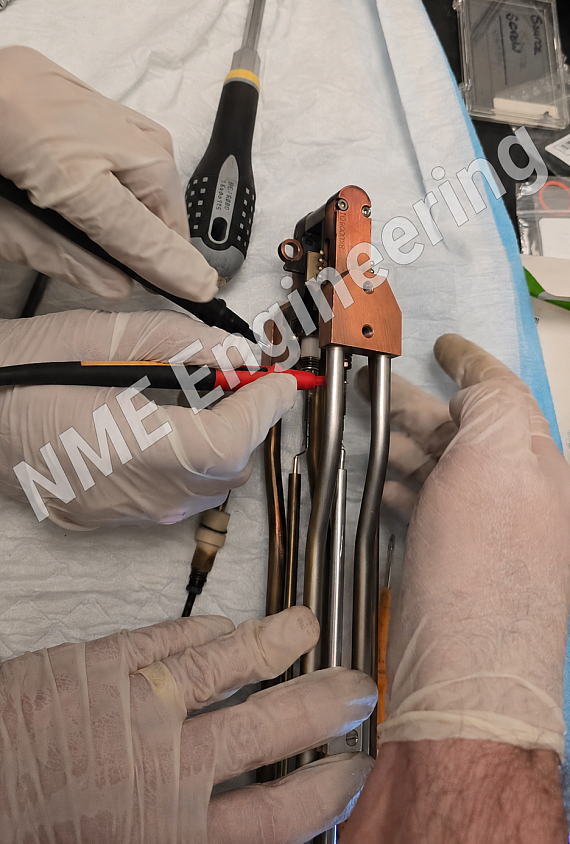
42 — Checking the Ion Source Cathode Continuity
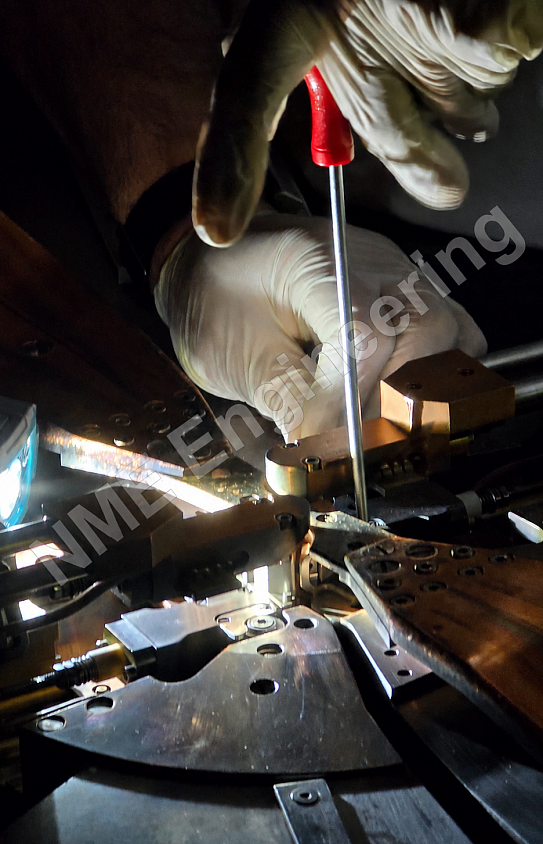
43 — Re-installing the Ion Source
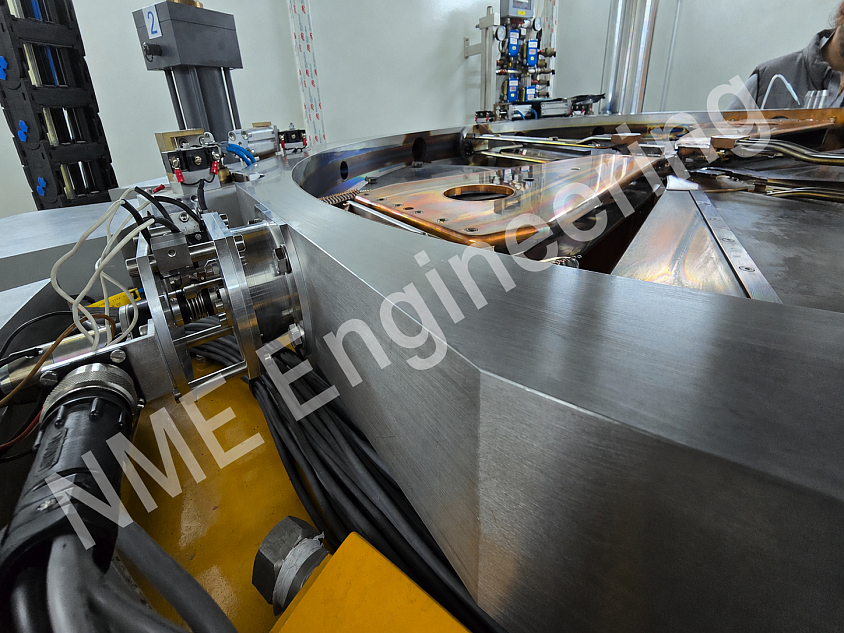
44 — RF Trimming Motor Check
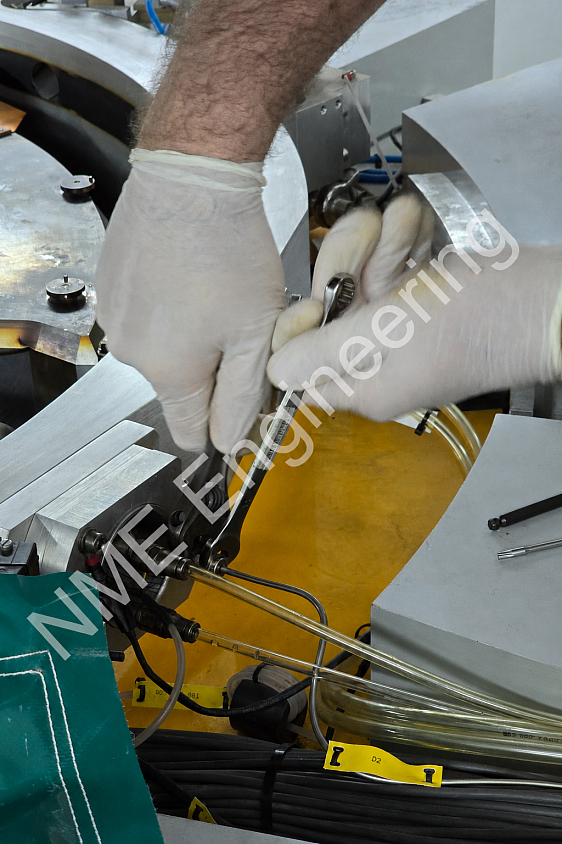
45 — Ion Source Mounting Connection Tightening
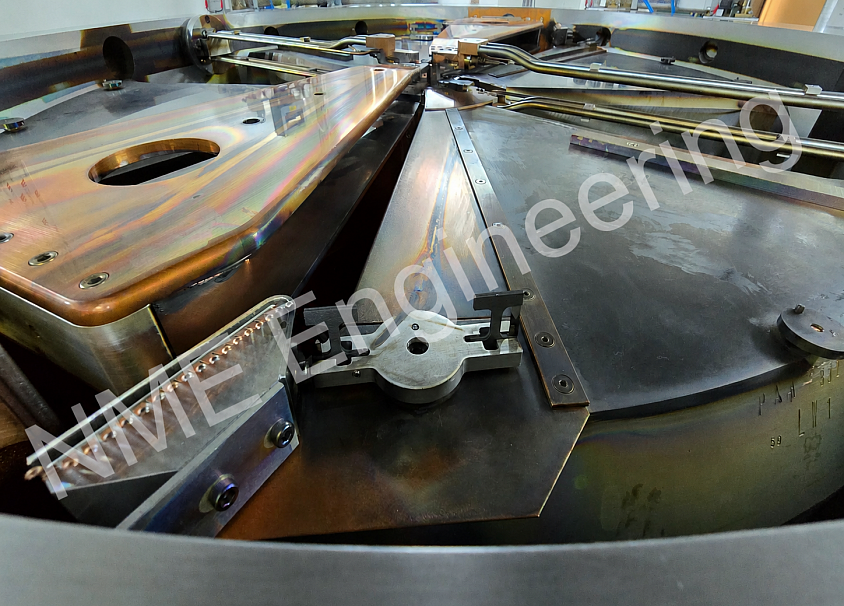
46 — Stripper Foil Position Inspection
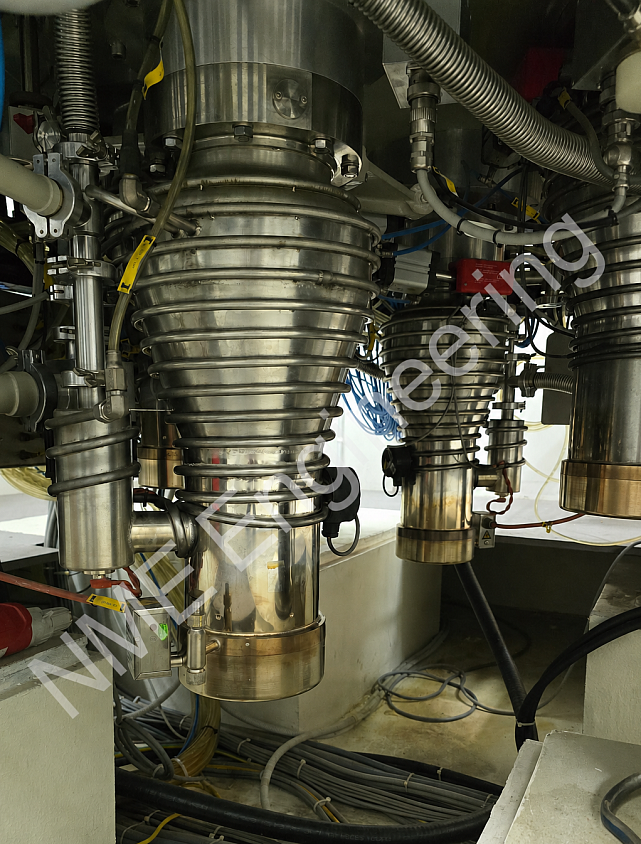
47 — Diffusion Pump Inspection
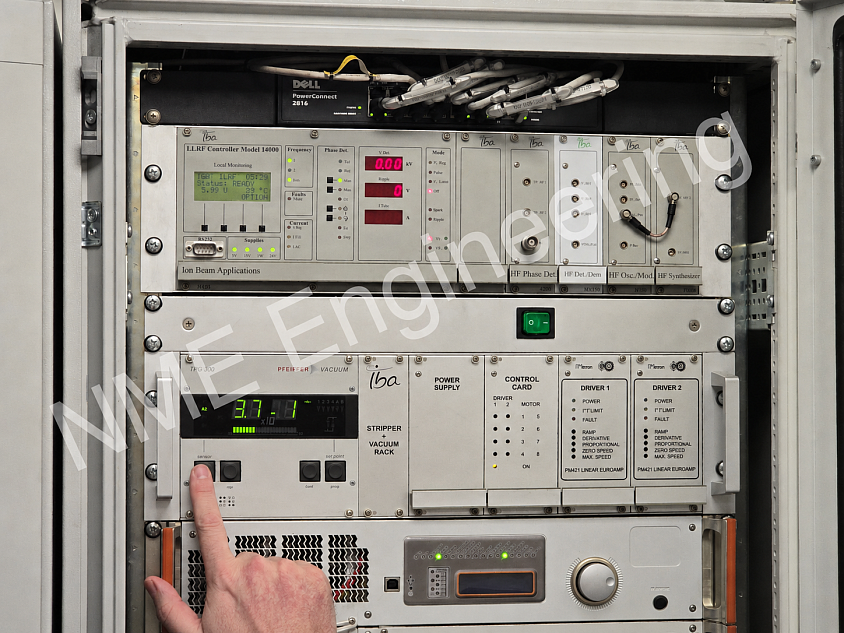
48 — Stripper Vacuum Rack Inspection
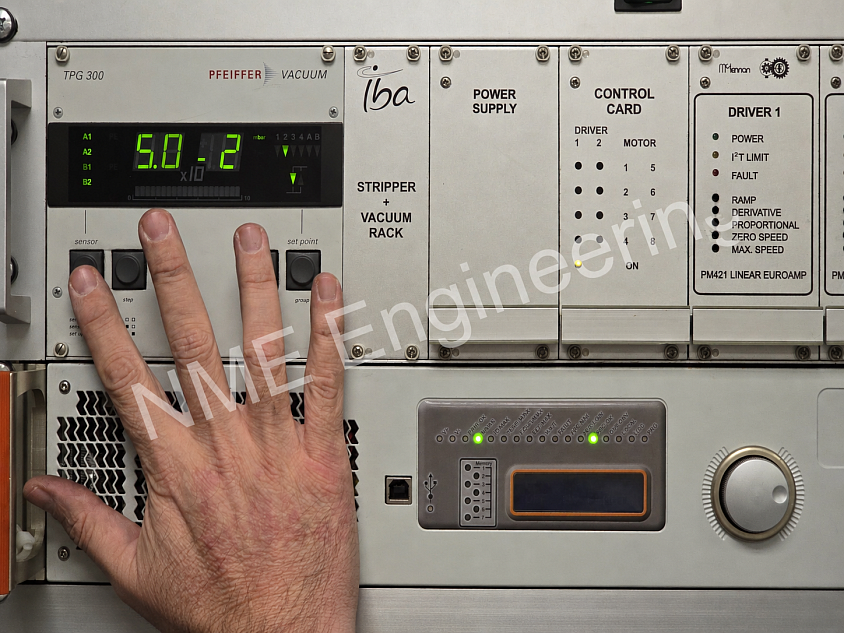
49 — Stripper Vacuum Gauge Inspection
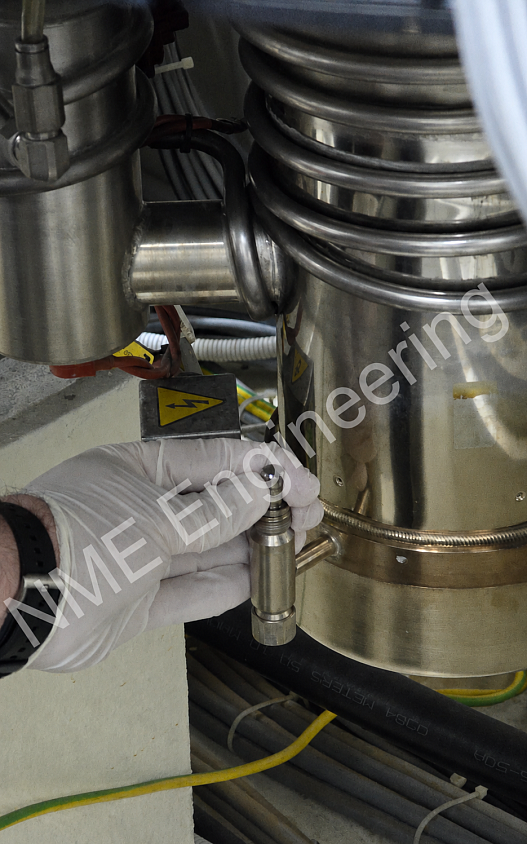
50 — Diffusion Pump Oil Drain Port Inspection
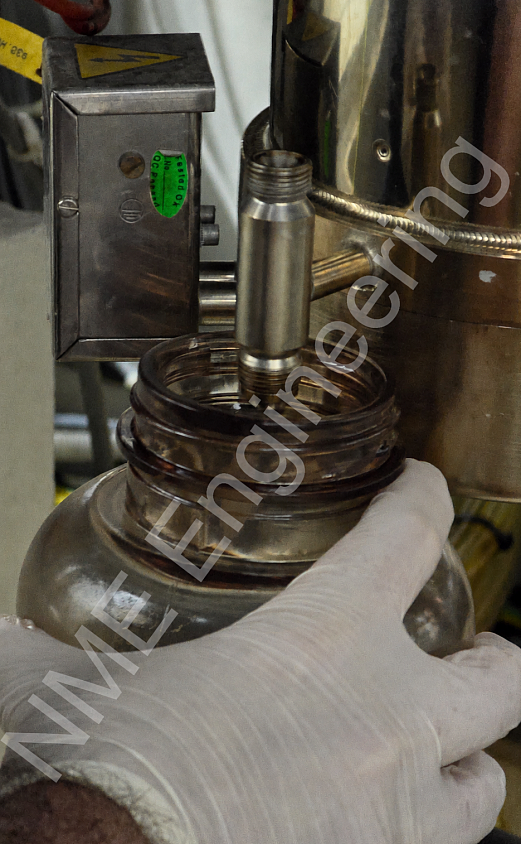
51 — Diffusion Pump Oil Draining
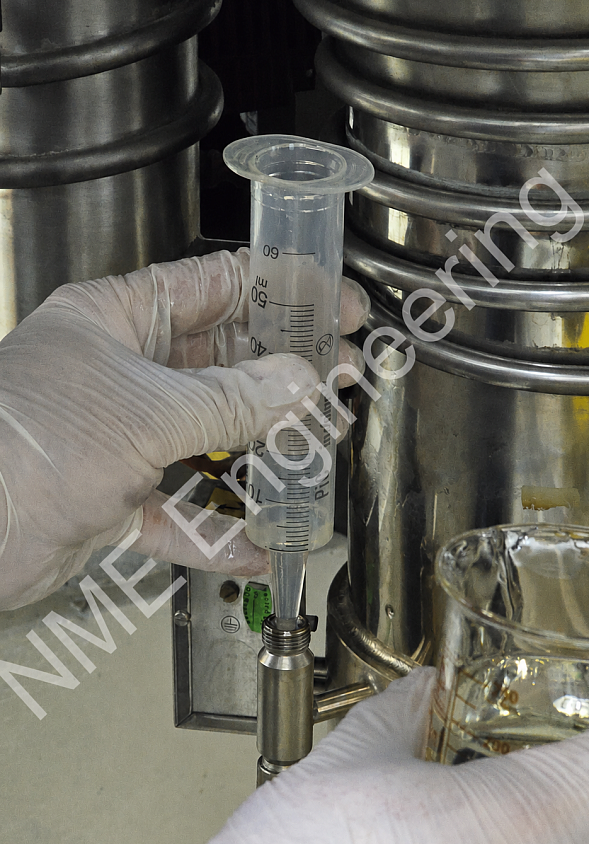
52 — Diffusion Pump Oil Filling
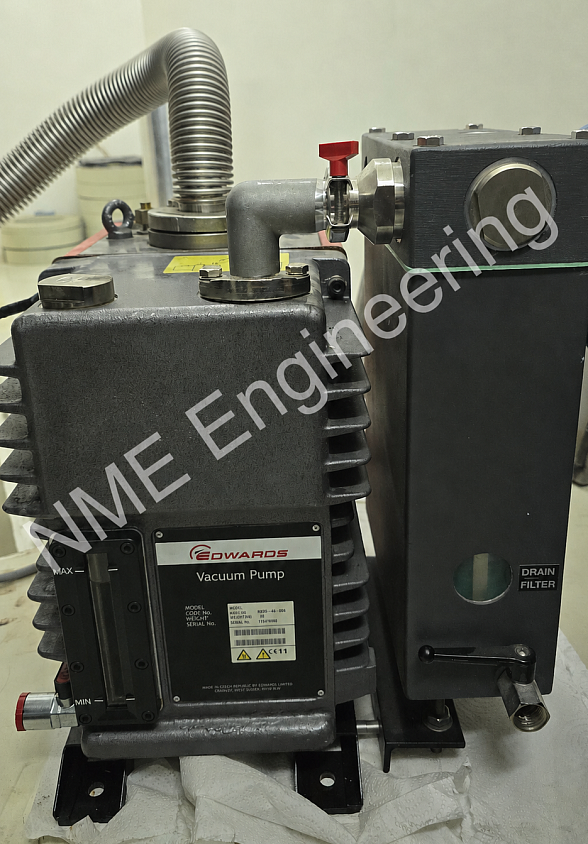
53 — Foreline Mechanical Pump and Oil Level Check
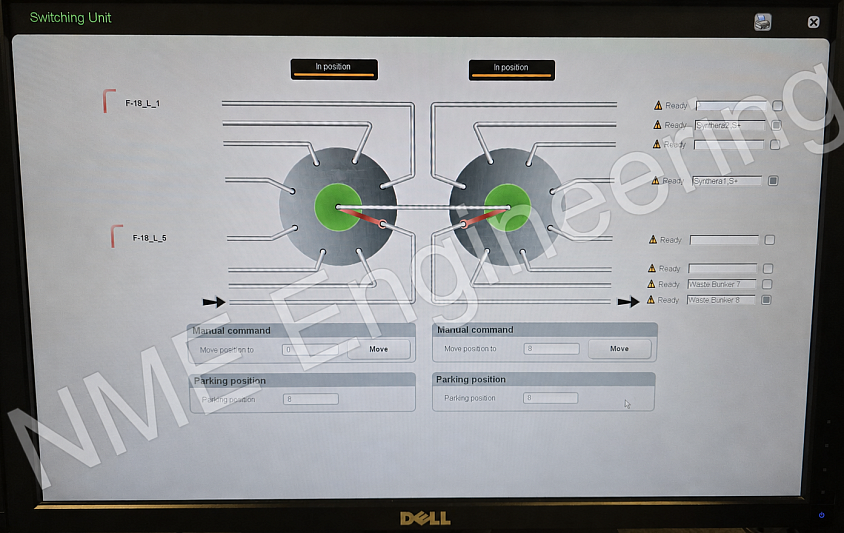
54 — Switching Unit Position Verification
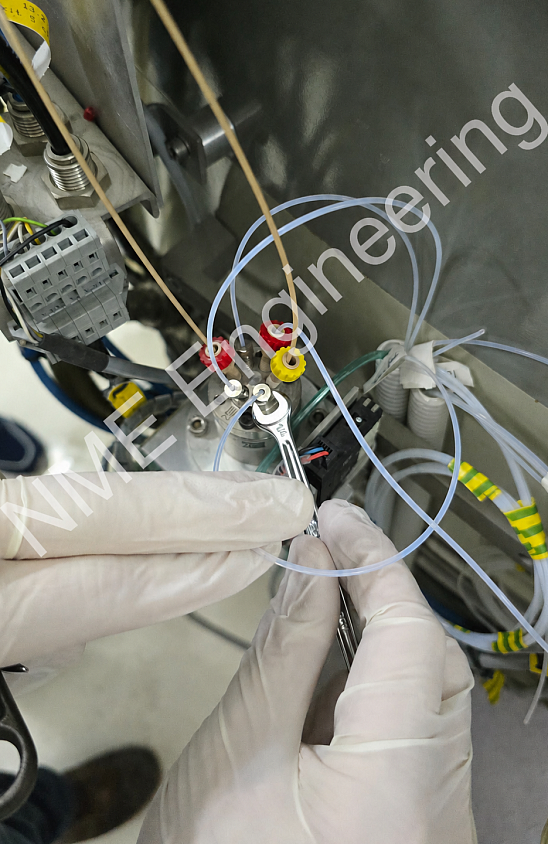
55 — H-Source Gas Line Connection Inspection
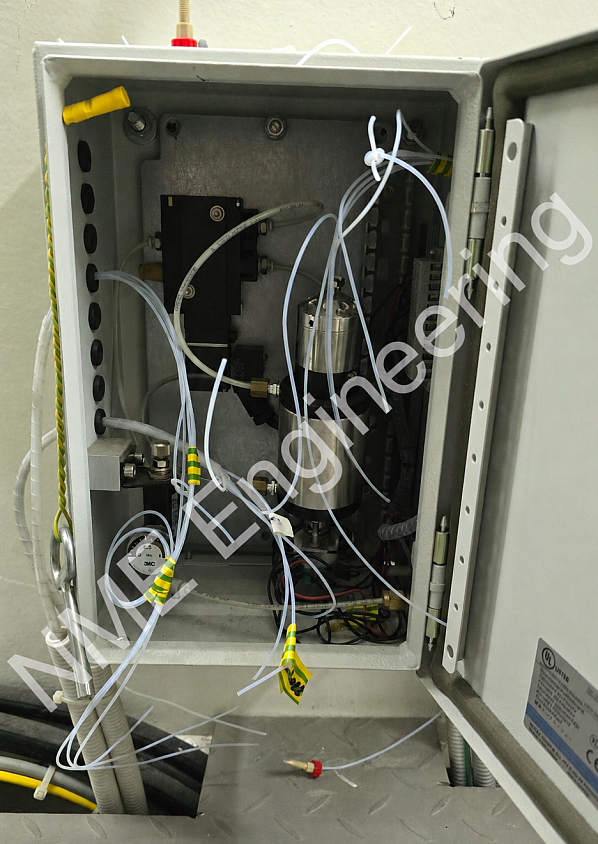
56 — F-18 Delivery Line Inspection
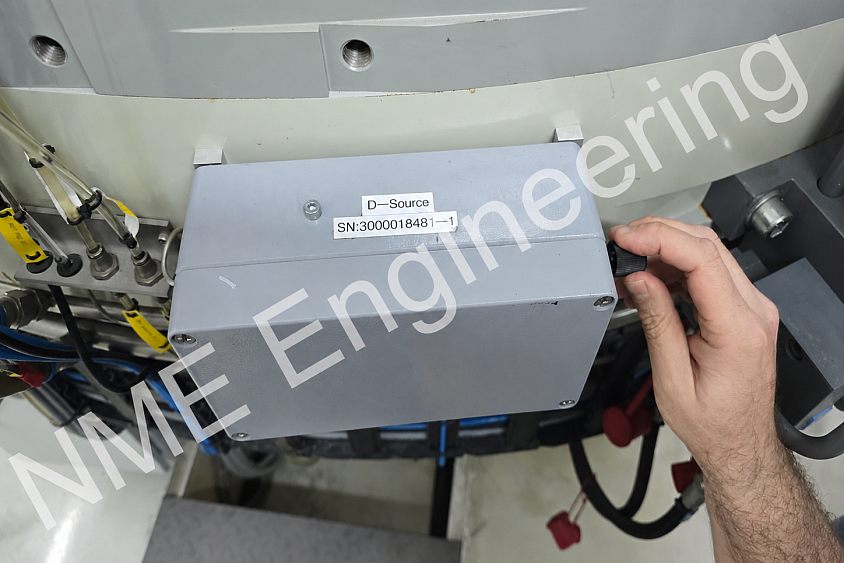
57 — H-Source Gas Adjustment
Maintenance Stages → Step-by-Step Service Workflow
1) Service Planning & Site Readiness
- Define scope (preventive, corrective, performance optimization).
- Confirm production schedule and downtime window.
- Verify safety requirements, access permissions, and spare parts readiness.
2) Safety Gate (LOTO & Radiation Awareness)
- Lock-Out/Tag-Out (LOTO) implementation and verification.
- Radiation safety coordination and area controls.
- Utility isolation strategy (power, cooling, gases) as applicable.
3) Controlled Shutdown & System Stabilization
- Controlled shutdown procedure and system safe-state confirmation.
- Initial operational snapshot (alarms, trends, key parameters) for baseline comparison.
4) Visual Inspection & Condition Assessment
- Mechanical integrity checks (fasteners, supports, and abnormal vibration indicators).
- Leak and contamination indicators (cooling circuits, vacuum-related areas).
- Cable, connector, and cabinet hygiene checks.
5) Vacuum System Health Check
- Vacuum performance review (pump condition, valves, seals, leak-risk points).
- Chamber-related inspection points and vacuum stability confirmation.
6) Ion Source & Injection Subsystem Service
- Ion source condition assessment, cleaning/consumables check as needed.
- Injection alignment indicators and stability checks (aim: consistent beam start-up).
7) RF System Verification
- RF subsystem functional checks and thermal condition review.
- Cooling effectiveness and interlock behavior validation.
- Risk reduction actions to prevent trips and overstress.
8) Magnet & Power Supply Checks
- Magnet subsystem operational verification.
- Power supply stability review (ripple, connectors, thermal behavior).
- Parameter trend comparison versus baseline.
9) Cooling & Utilities Integrity
- Cooling loop checks (flow, pressure, temperature stability).
- Heat exchanger / chiller interface verification (site configuration dependent).
- Compressed air / utility quality checks where used.
10) Target Station & Beamline Checks (If Applicable)
- Target interface integrity, cooling, and sealing points review.
- Beamline components visual/function checks relevant to your configuration.
- Practical actions to protect yield and reduce contamination risk.
11) Safety Interlocks & Emergency Systems Validation
- Interlock chain verification (doors, radiation-related logic, critical permissives).
- Warning indicators, emergency stop functions, and safety signaling checks.
12) Restart, Leak Check & Operational Validation
- Controlled restart and stabilization.
- Leak checks (water/vacuum-related) and final functional verification.
- Beam-on readiness checks (where allowed within service scope).
13) Documentation, Reporting & Action Plan
- Service report with executed steps, findings, and measured checkpoints.
- Prioritized recommendations (Immediate / Next Planned Stop / Long Term).
- Optional spares list suggestion aligned to wear items and risk exposure.
Optional Add-Ons (High-Value)
- Performance Stability Review: trend-based analysis to reduce tuning time and trips.
- Critical Spares Strategy: optimize consumables and lead-time items to protect uptime.
- Remote Pre-Check: alarm/log review before visit to shorten downtime.