Siemens Eclipse Cyclotron Maintenance & Technical Service
Siemens Eclipse Maintenance Solutions
Running a Siemens Eclipse cyclotron is not about reacting to trips, it is about protecting daily production, controlling operational risk, and keeping beam delivery stable. Our maintenance and technical service model is built around a disciplined preventive-maintenance workflow aligned with cyclotron subsystems, interlocks, utilities, and target interfaces.
We execute each intervention with a safety-first, documentation-driven approach. Service is performed by qualified personnel, with strict attention to radiation, high voltage, high magnetic fields, and hazardous gases and chemicals, and with traceable service records that support compliance and consistent output.
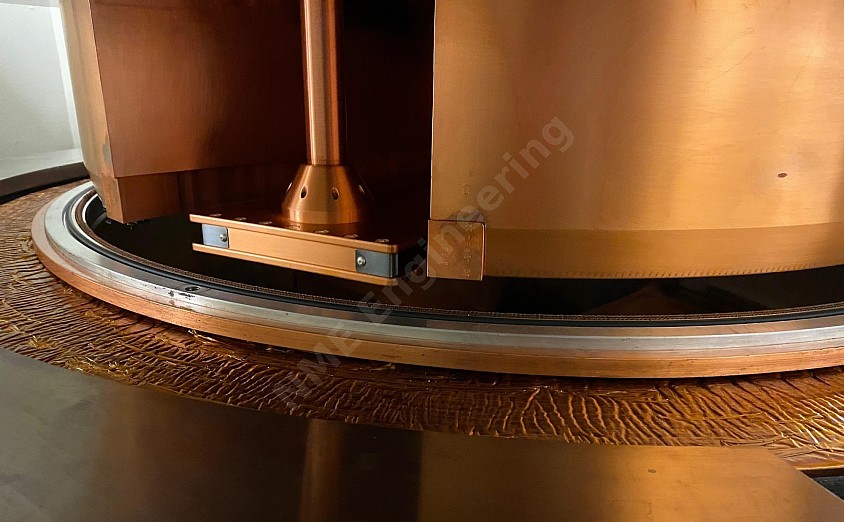
Vacuum Tank Opening
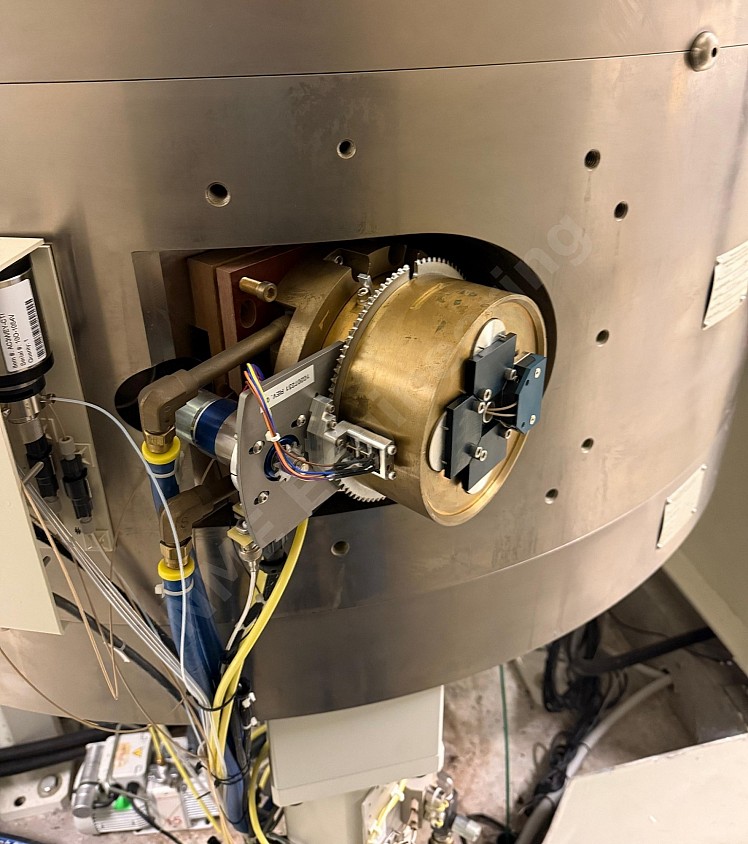
Targetry Checks
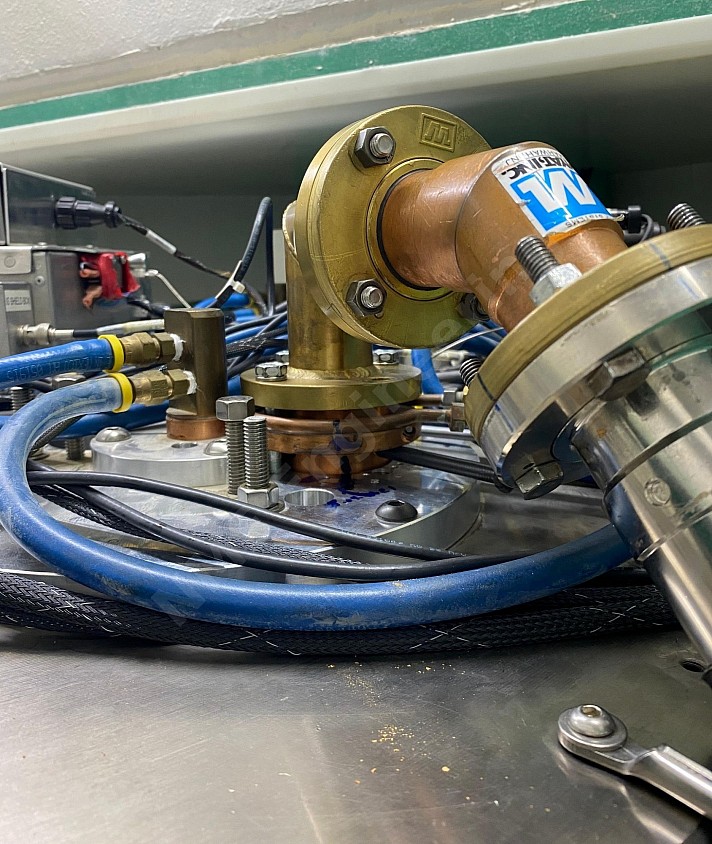
RF Coupling Loop Checks
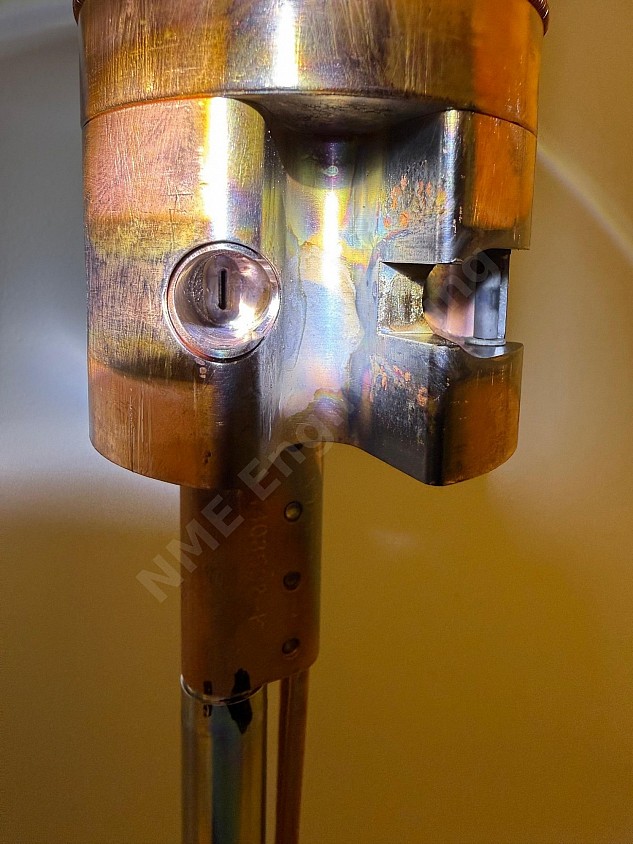
Ion Source Alignment Checks
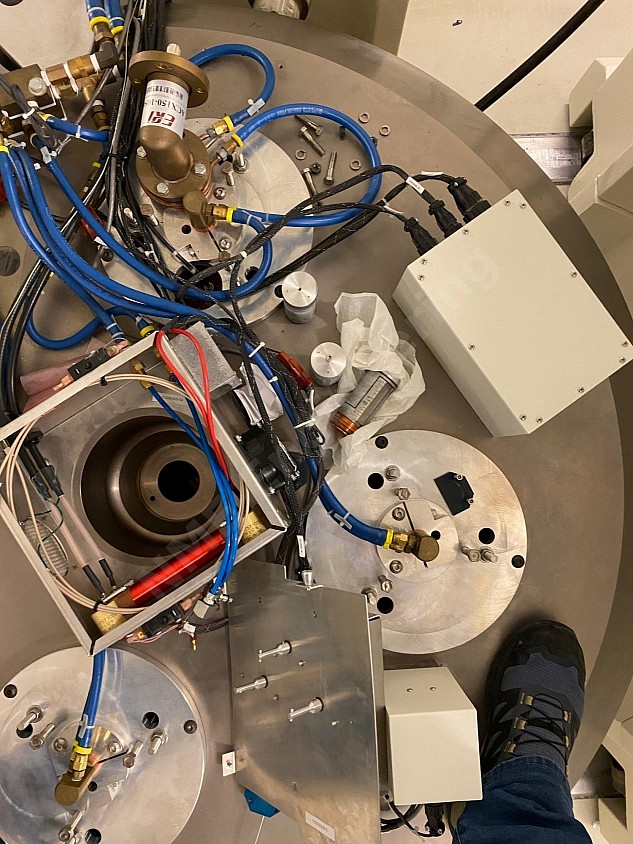
Tank Top Checks
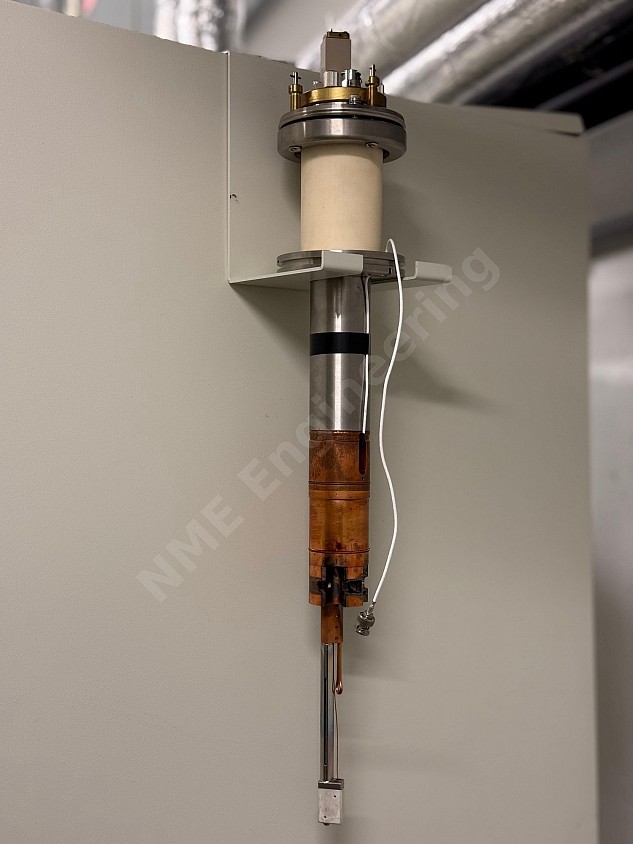
Ion Source Tower Orientation Checks
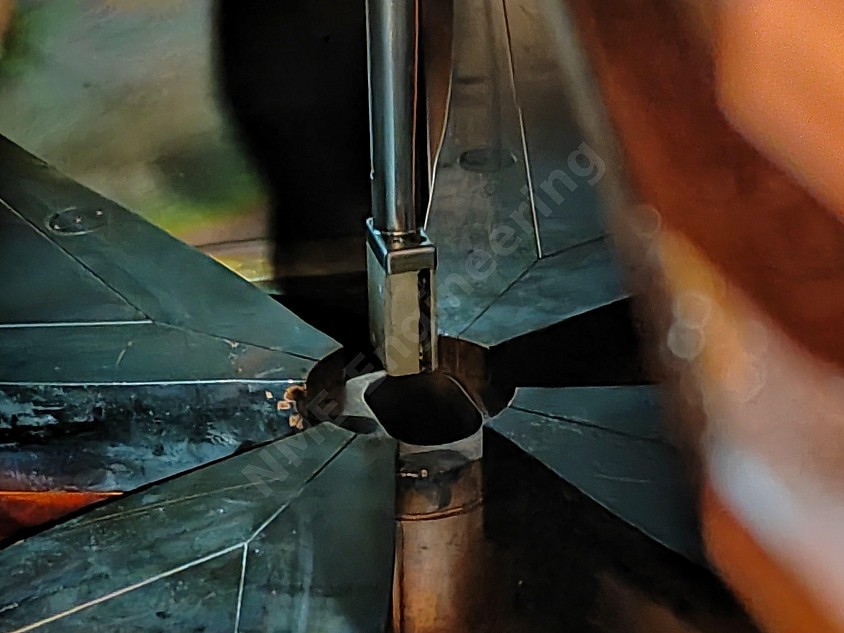
Checking Orientation Of Ion Source To The Chamber During Closing The Tank
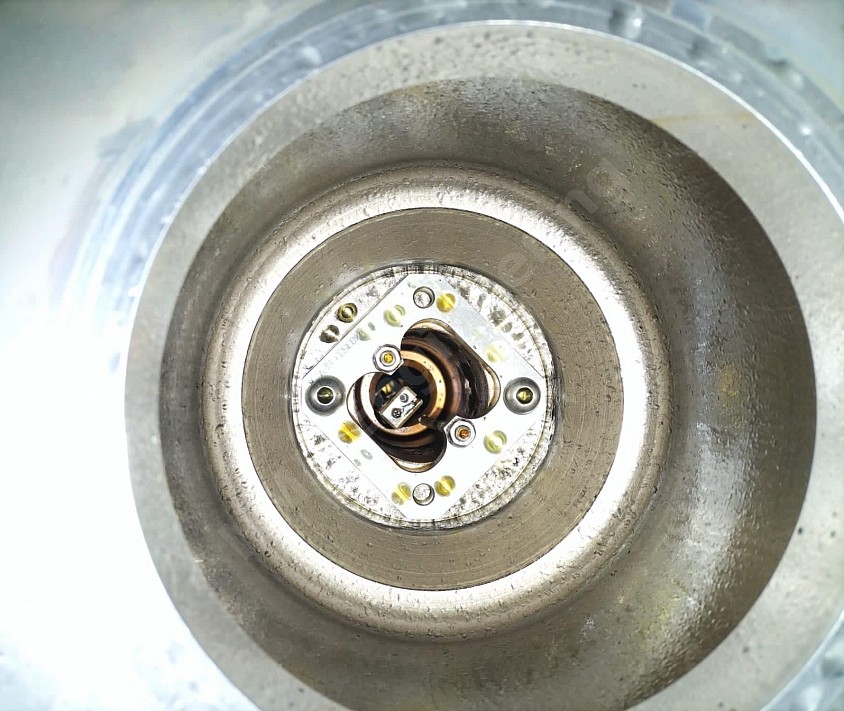
Ion Source Tower Check After Water Leakage
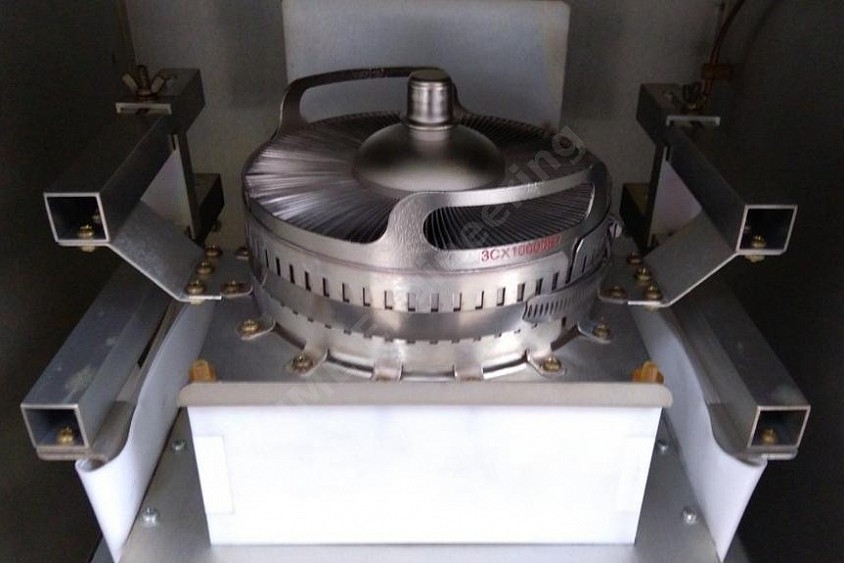
Visual Check Of RF Final Stage Triode
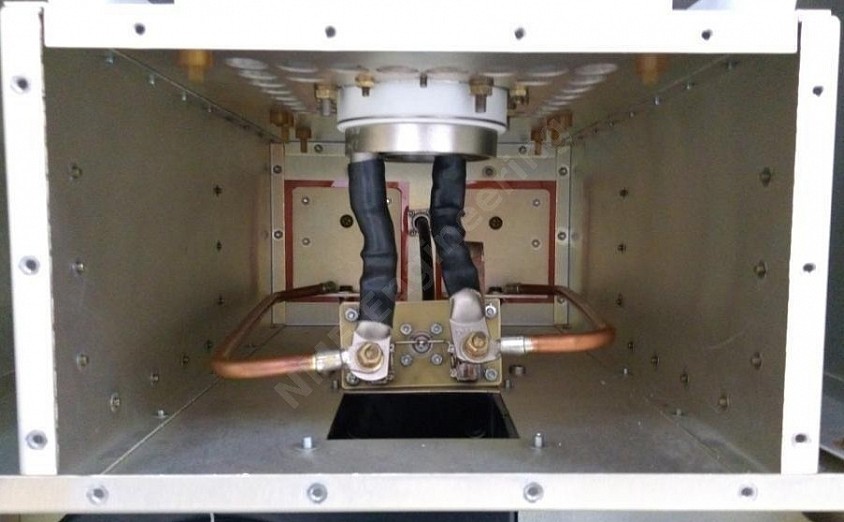
Visual Check Of Triode Bottom Section
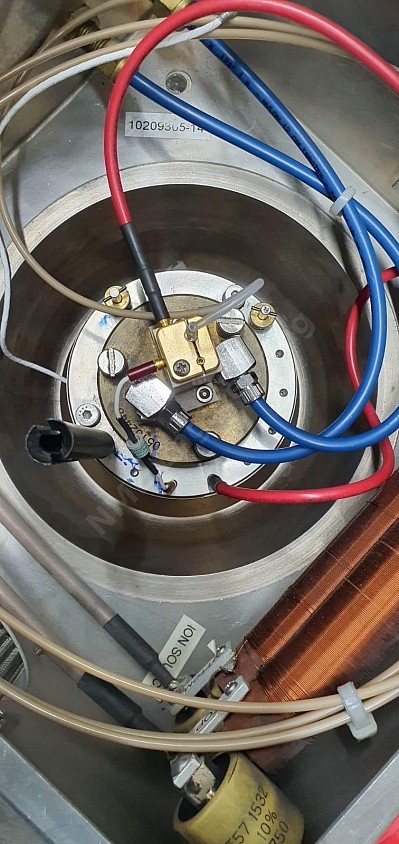
Visual Check Of Ion Source Connectors
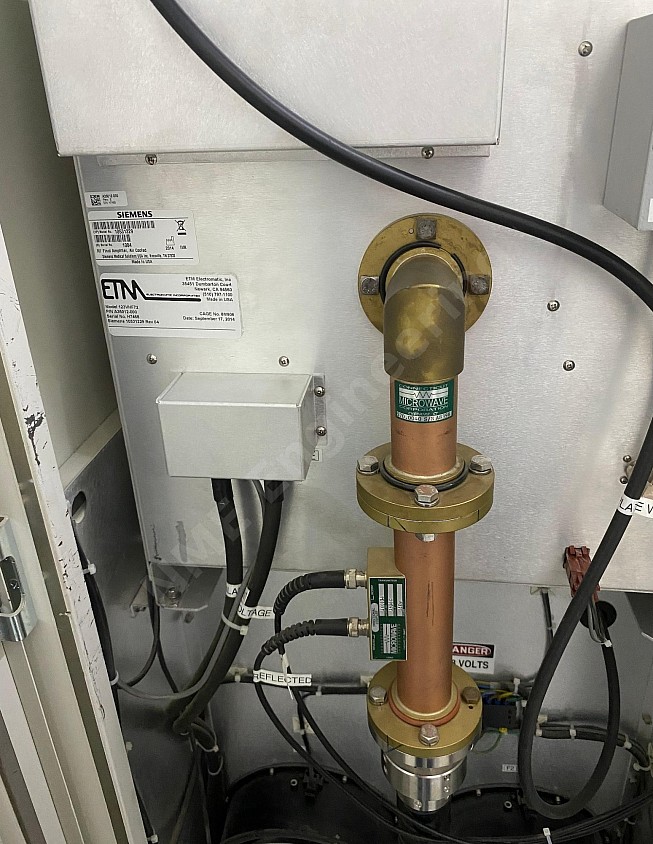
Rear Checks Of RF Cabinet
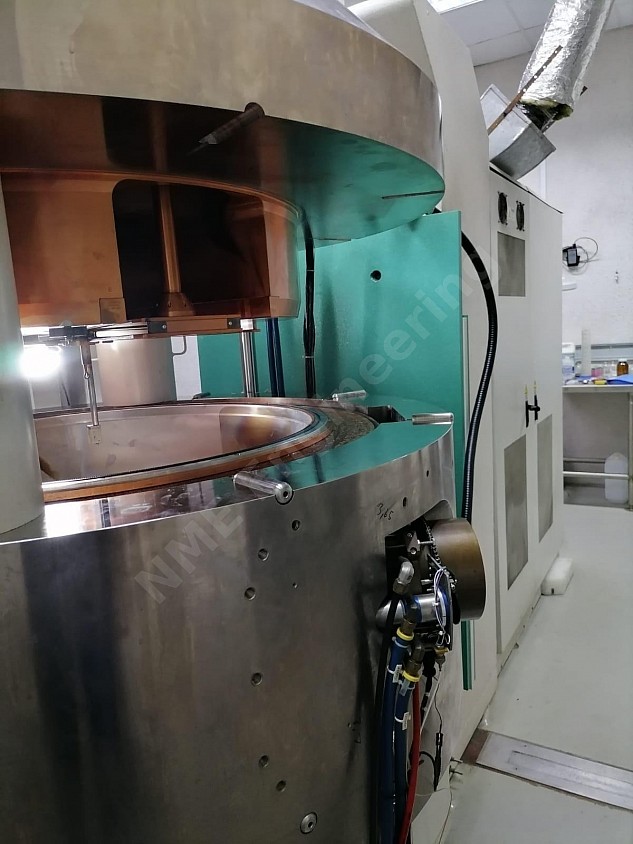
Vacuum Tank Visual Checks
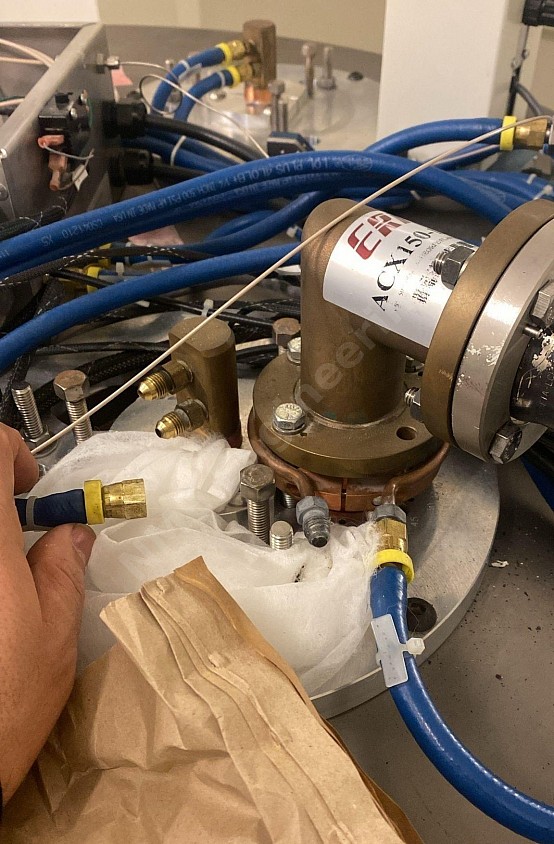
RF Coupling Loop Water Cooling Checks
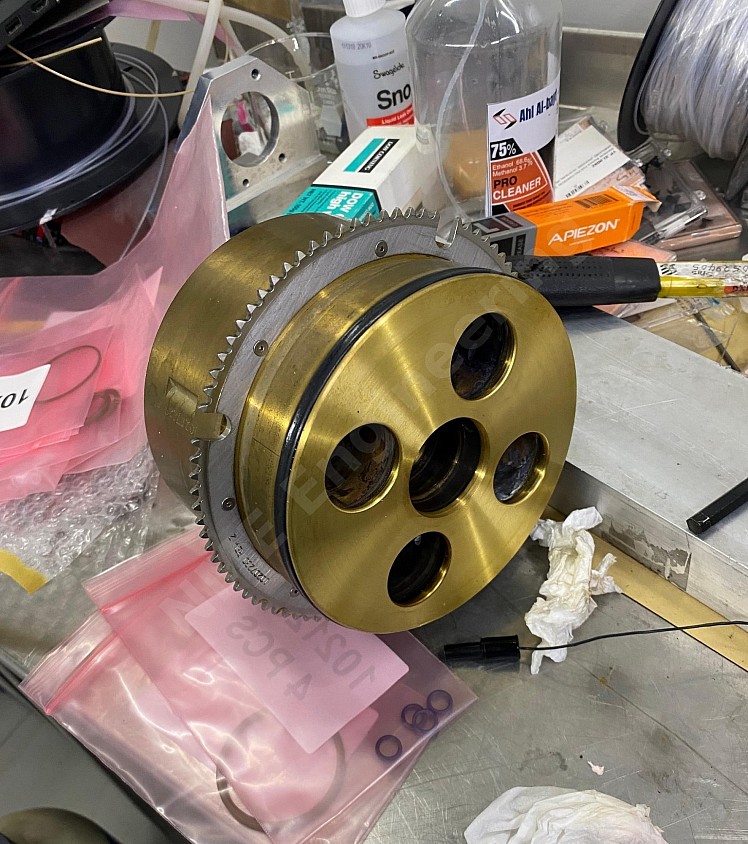
Target Changer Rebuild
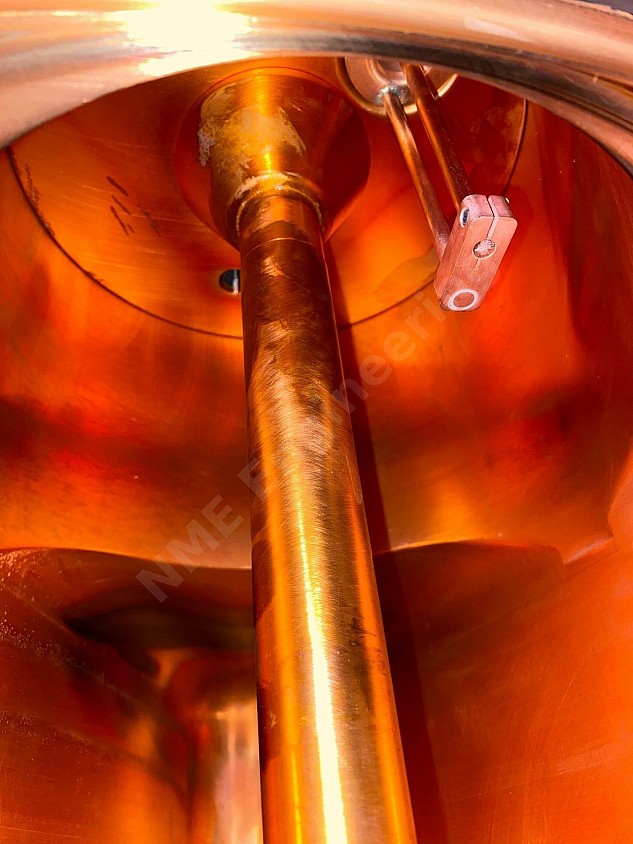
Checking Orientation Of Coupling Loop
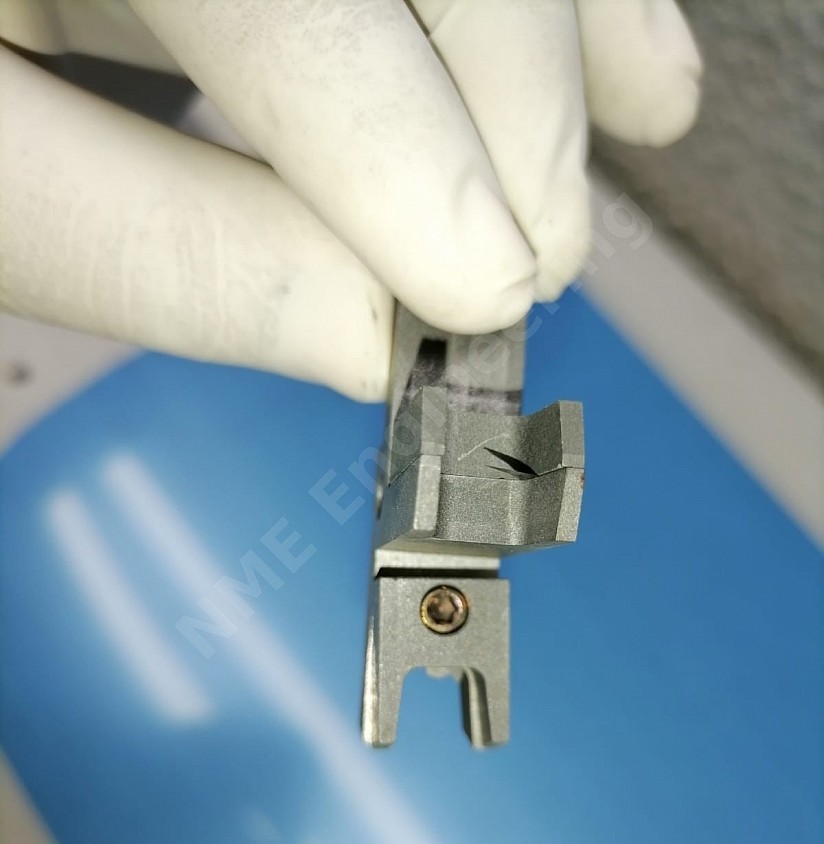
Broken Extractor Foils
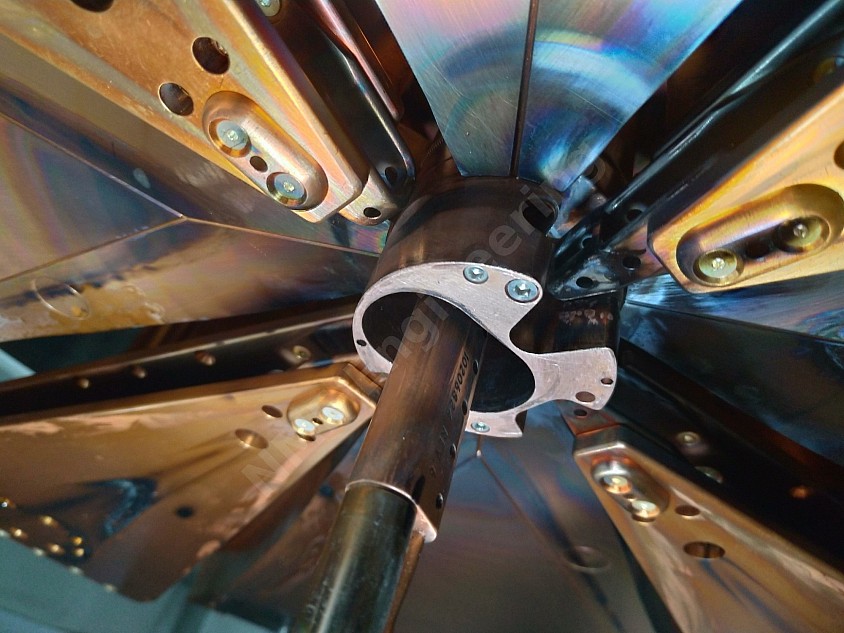
Visual Checks Of Ion Source Tower From The Vacuum Tank
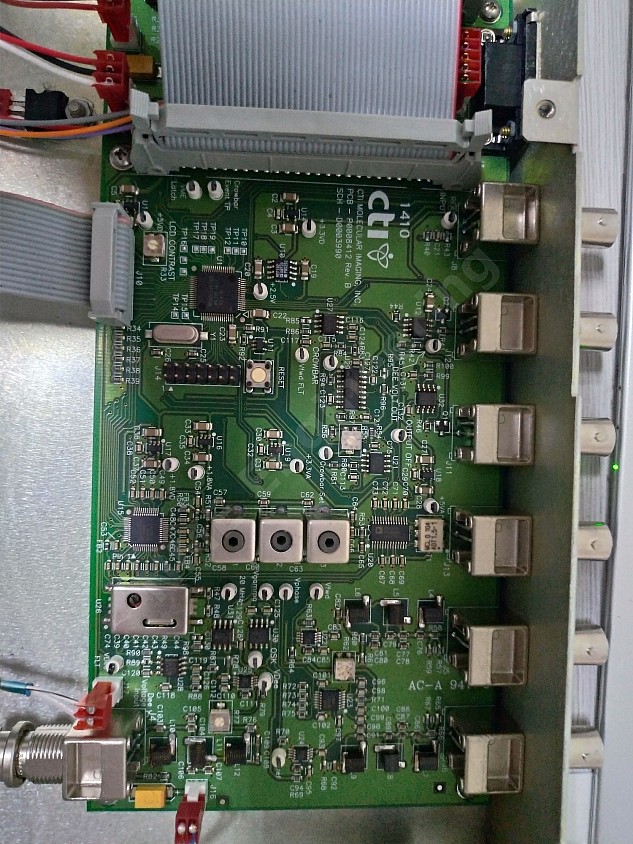
IPA Card Visual Checks
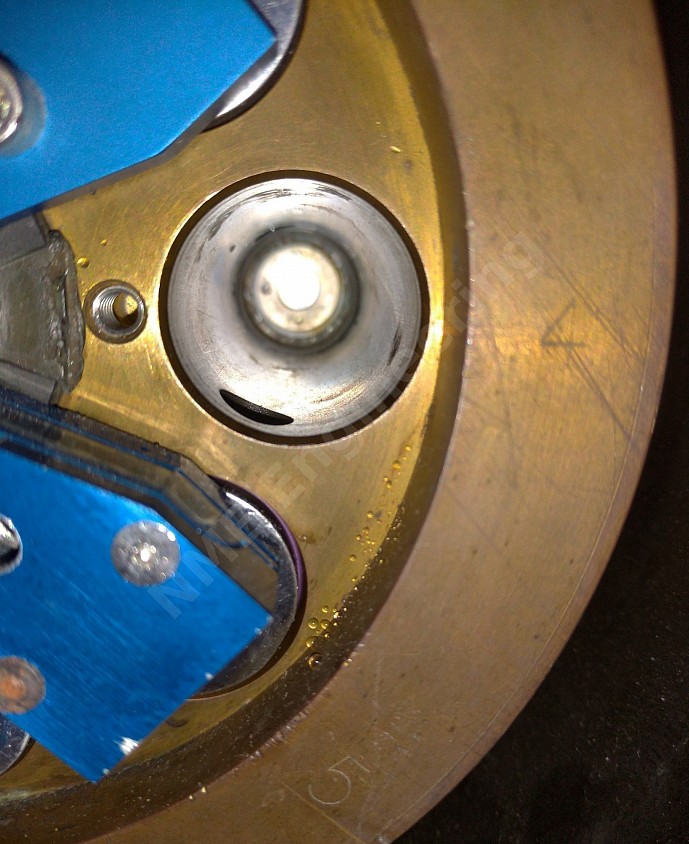
Siemens RD Target Changer Checks
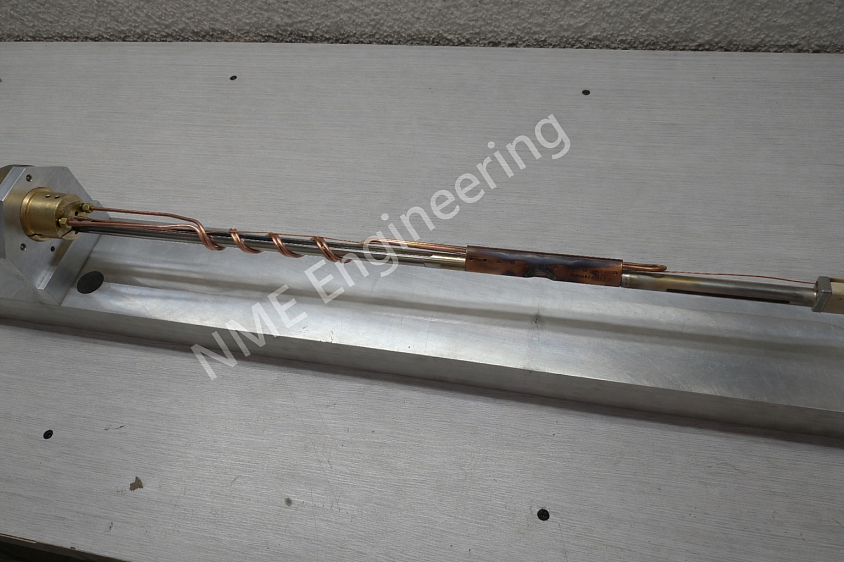
Ion Source On The Stand
Maintenance Stages → Preventive Maintenance Workflow
1) Scope Definition & Production Window Alignment
- Define service scope: preventive maintenance, troubleshooting, stability optimization, or component-level overhaul support.
- Confirm downtime window and operational priorities (throughput, target yield, repeatability).
2) Safety Gate, Radiation Controls, and LOTO Readiness
- Verify that only trained/authorized personnel perform service.
- Enforce dosimetry and on-site radiation survey practices when accessing the shielding area.
3) Controlled Shutdown and Baseline Snapshot
- Perform controlled shutdown and place the system in a safe state.
- Capture “before” condition: alarms, trip patterns, key operating parameters for comparison.
4) Daily Log Review, Utilities and Consumables Readiness
- Review operator daily logs (gas and water, vacuum trends) to detect early drift.
- Verify gas bottle pressures meet minimums and check for abnormal regulator deviations.
- Confirm water quality indicators and leak inspection; address deionization performance when conductivity signals degrade.
- Review vacuum base-pressure trends to anticipate seal or pump service needs.
5) Vacuum System Health Check
- Inspect vacuum performance stability and instrumentation behavior.
- Confirm vacuum controls support equipment protection in fault conditions.
6) Ion Source Service (Stability and Repeatability Focus)
- Condition assessment of the ion source and tower interfaces.
- Cleaning/inspection actions where required, with attention to vacuum integrity and leak tightness requirements after reassembly.
- Reconnect electrical, water, and gas connections, restore vacuum, and re-optimize for beam post/foil current performance.
7) RF System Verification (Trip Reduction and Protection)
- Verify RF functionality and stability; confirm behavior consistent with protective “crowbar” response during sparking events.
8) Magnet System and Access Integrity
- Verify magnet subsystem readiness and safe access practices (raised pole access requires caution due to potential activation and fragile precision components).
9) Interlock Chain Validation (Compliance and Safe Operations)
- Validate personnel and equipment protection interlocks (beam permissives, cabinet/cover switches, cooling flow dependencies).
- Perform continuity-based checks where applicable and correct any defective sensor circuit conditions before proceeding.
10) Cabling, Tubing, and Hoses Condition Screening
- Inspect cabling/tubing/hoses for bending, crushing, abrasion, heat and radiation-related embrittlement; repair or replace damaged lines.
11) Restart, Operational Validation, and Handover
- Controlled restart and stabilization.
- Confirm system status against baseline indicators and document outcomes.
12) Documentation and Action Plan
- Deliver a service report with executed steps, observations, and a prioritized action plan (Immediate / Next Planned Stop / Long Term), including critical spares recommendations.